Why Uluwatu Is Bali's Fastest-Growing Luxury Market
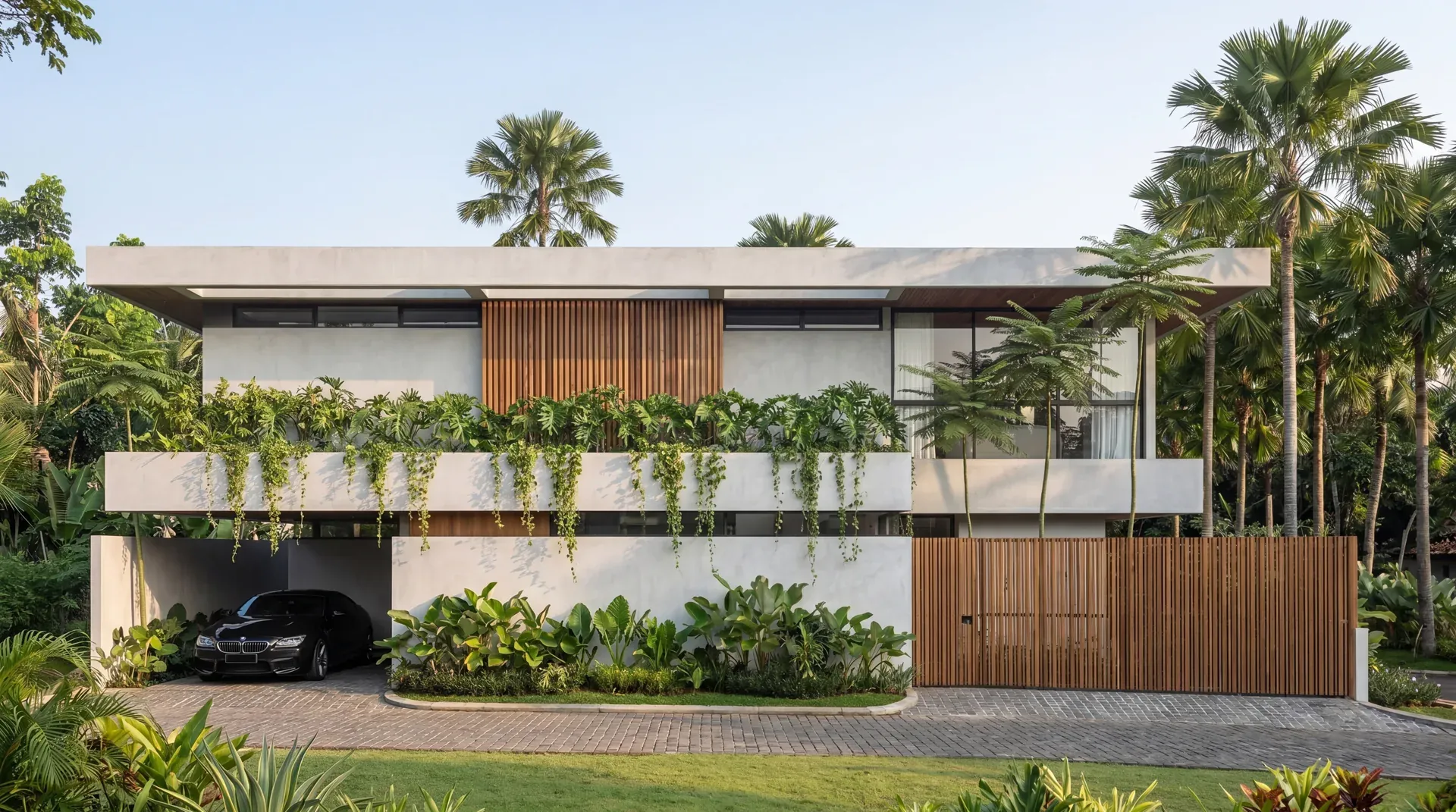
Uluwatu is Bali's fastest-appreciating address, and that is not a slogan reached for lightly. The southern cliffs have moved in a short span of years from a surfers' outpost to the island's most sought-after luxury zone, and the forces behind the shift are structural rather than fashionable. They are unlikely to reverse.
This is the case for why the Uluwatu property market has outgrown the rest of the island: finite land you cannot build out, a long shift from day trip to destination, a deep base of international tourism, design-led demand, and the infrastructure that ties it all together.
The claim, and what sits behind it
When people say Uluwatu is Bali's fastest-growing luxury market, they are describing a combination that few other locations on the island share: a scarce and finite kind of land, a visitor base that keeps deepening, and a buyer who wants design rather than volume. Each of those on its own would support a strong market. Together they compound.
The pages below break the argument down into its parts. None of it depends on a single statistic or a single year. The point is the structure of the market, which is what makes the appreciation durable rather than a passing spike.
It is worth being honest about what fast growth does and does not mean. A market that moves quickly also attracts weak product and inflated promises, and not every villa on the Bukit is a sound investment. The structural case explains why the tide is rising. It does not excuse a buyer from checking that a specific boat is seaworthy, which is a theme we return to at the end.
Finite land you cannot build out
The foundation of the Uluwatu market is its geography. The developable clifftop land above the Indian Ocean is limited by the shape of the Bukit itself, and the ocean view, the thing buyers are really paying for, cannot be built out. Once a ridge of clifftop is developed, there is no second row with the same outlook behind it. Supply is genuinely capped.
Scarcity of that kind behaves very differently from scarcity that a developer can relieve by building more. On a flat plain, rising demand invites more supply, which tempers prices. On a finite clifftop, rising demand meets a fixed stock of view, and the price of that view climbs. That is the single most important reason the southern cliffs appreciate the way they do.
There is a further layer to the scarcity. Not all clifftop land is equal, and the genuinely developable parcels, with the right outlook, the right access and clean, foreign-ownable title, are a small subset of the whole. A plot with a view but a title problem is not really supply. Once you filter for what can actually be built and lawfully held, the pool of real opportunities on the Uluwatu cliffs is smaller still, which concentrates demand onto the parcels that qualify.
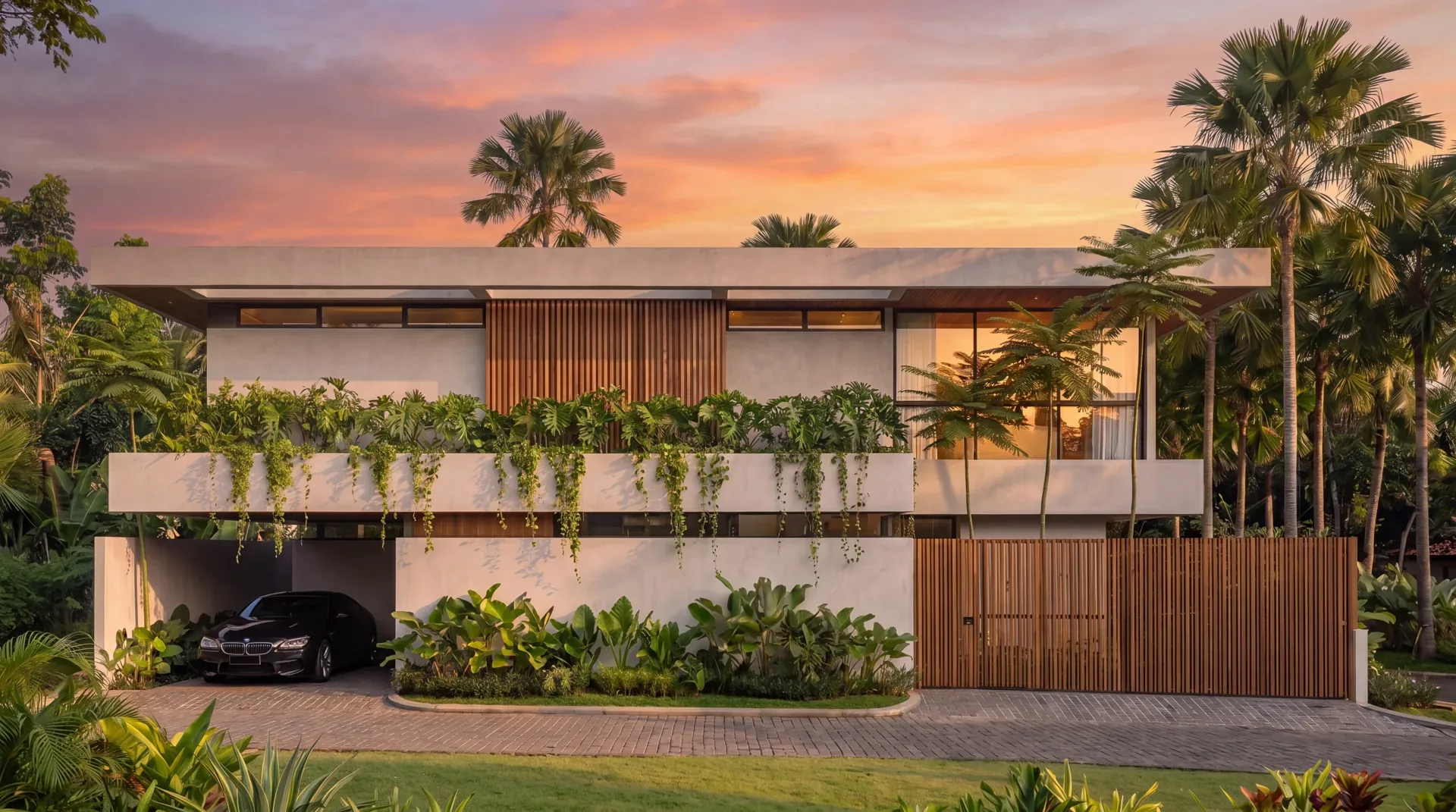
Thinking about Uluwatu? Our team can walk you through availability, pricing and the ownership structure at Ulu Art Bay.
Contact usSign upFrom day trip to destination
For a long time Uluwatu was somewhere you visited for an afternoon. You drove down for the temple at sunset, watched the Kecak dance, perhaps caught a surf, and drove back to a hotel in Seminyak or Nusa Dua. The Bukit was a day trip, not a base.
That has inverted. The peninsula now holds its own gravity: beach clubs, restaurants, wellness studios, surf stays and design-led villas that give a visitor every reason to stay for weeks rather than hours. As the reasons to stay multiplied, the pattern of demand changed from a few hours of footfall to extended stays and, increasingly, ownership. A destination supports a property market in a way a day trip never can.
The shift feeds itself. Each new restaurant, club or wellness space gives the next visitor another reason to stay longer, and longer stays justify more investment in the things that make staying worthwhile. A day-trip economy and a destination economy are different animals, and Uluwatu has crossed firmly from one into the other. That crossing is what turned it from a scenic detour into a place people build their year, and sometimes their home, around.
Six million visitors and a long season
Underneath the luxury market is a very large base of ordinary demand. Bali draws more than six million international tourists a year, and that flow is what underpins rental yield across the island. In Uluwatu it meets a limited supply of quality villas, which is the combination that makes rental returns here hold up.
The visitor base also smooths the season. The Bukit's draw spans surf in the dry months, culture and sunsets year round, and a calendar of events that keeps the clifftop clubs busy, so occupancy is less peaky than in places that rely on a single short high season. A deep, long visitor base is what turns a beautiful location into an investable one.
Why demand translates into yield
Tourism volume on its own does not guarantee returns. It has to meet constrained, high-quality supply. Uluwatu has exactly that: millions of visitors chasing a small stock of well-run luxury villas on finite clifftop land. We set out how that works in practice in our guide to Uluwatu's rental demand and tourism.
Design-led demand
The buyer who comes to Uluwatu is not looking for a generic holiday let. The peninsula has attracted an international, design-literate audience that wants architecture, materials and a point of view, and that audience both rents and buys at the top of the market. Demand here is led by design, not discounted by it.
That preference rewards developments built to an international standard and penalises the ordinary. It is why a studio-designed estate on the cliffs commands a premium that a repeated template down a lane cannot, and it is why the strongest projects in the area lean into design rather than away from it. Ulu Art Bay, designed by the Madrid studio SUKYF, is built around exactly this demand.
Design-led demand also changes who a villa competes with. A generic rental competes on price with every other generic rental nearby, which is a race to the bottom. A distinctive, well-built home competes on character, which is a race the owner can actually win. In a market where the paying guest cares about architecture, building to a standard is not an indulgence, it is the commercial strategy.
Infrastructure pulling the Bukit closer
A market cannot grow faster than its access allows, and Uluwatu's access has improved markedly. The Bali Mandara Toll Road shortcuts the airport traffic, the arterial roads down the peninsula have been widened, and airport capacity has expanded to keep international arrivals flowing. Each of these brings more people to the southern cliffs more easily than before.
The effect on the property market is direct. Shorter transfers lift rental occupancy, easier access widens the pool of buyers, and reliable infrastructure makes the area viable as a base rather than an excursion. We cover the practical side in our guide to getting around Uluwatu, including the drive from the airport.
Infrastructure also sends a signal about where the island's future lies. Public and private money follows the places expected to grow, and roads, utilities and airport capacity are the visible edge of that bet. When the investment keeps arriving in the south, it tells you the direction of travel is settled, not speculative. For a buyer, a location that is being built towards is a safer place to own than one being left behind.
One of Bali's strongest-appreciating prime zones
Put the pieces together and the conclusion follows. Finite clifftop land, a deep and lengthening visitor base, a design-led buyer and improving infrastructure combine to make Uluwatu one of Bali's strongest-appreciating prime zones. The appreciation is a product of structure, not sentiment, which is what makes it more likely to persist.
That does not mean every villa in the area is a good investment. Location within the Bukit, the quality of the build, the management and the tenure all separate a strong asset from a weak one. The market tide is favourable, but the boat still has to be seaworthy.
The honest framing is that Uluwatu lowers the odds of a poor outcome without removing them. A strong market forgives some mistakes and rewards good decisions more generously, but it does not turn a weak villa into a good one. The structural tailwind is real, and it is a reason to buy here rather than elsewhere, provided you still apply the same scrutiny to the specific home that you would apply anywhere.
Uluwatu is Bali's fastest-appreciating address. The forces behind that are structural: finite land, deep demand, design-led buyers and better access.
Why freehold is what makes it investable
Scarce, appreciating land is only an asset you can hold if you can hold it properly. For a foreign buyer that means tenure, and the strongest tenure available is freehold through HGB, the Right to Build, held via a PT PMA company the buyer controls. A freehold-grade title on finite clifftop land is a very different proposition from a shortening leasehold on the same view.
This is where the Uluwatu story and the ownership story meet. The land appreciates because it is finite, and freehold lets you own that appreciation outright rather than renting it for a fixed number of years. We explain the mechanics in our guides to HGB and Indonesian agrarian law and freehold versus leasehold in Bali.
What it means for a buyer
If you are looking at Bali as an investment, the practical reading of all this is to concentrate where the structural advantages stack up. Uluwatu is where finite land, deep demand, design-led buyers and improving access overlap, and within Uluwatu the question becomes which project captures those advantages in the strongest form.
Ulu Art Bay is our answer to that question: 21 freehold villas on a gated estate on the cliffs, minutes from Bingin, designed by SUKYF and delivered turnkey with a projected 8 to 11% net rental yield. For the full case, read why Ulu Art Bay is Uluwatu's standout freehold investment.
To see the numbers for a specific villa, contact our team, or sign up to receive the next release as the project moves towards completion in 2028.
Frequently asked questions
Why is Uluwatu Bali's fastest-growing luxury market?
Because several structural forces compound: finite clifftop land that cannot be built out, a shift from day trip to long-stay destination, more than six million annual tourists supporting rentals, a design-led buyer, and improving infrastructure. Together these make it one of Bali's strongest-appreciating prime zones.
What drives the Uluwatu property market?
Scarcity of developable clifftop land meeting deep, growing demand. The ocean view cannot be built out, so rising demand meets a fixed supply, which pushes values up. Tourism volume and better access reinforce the effect.
Is the appreciation in Uluwatu likely to last?
The forces behind it are structural rather than fashionable, which makes them more durable. Finite land and deep demand do not reverse quickly. Returns still depend on the specific villa, its tenure, build quality and management.
How many tourists visit Bali?
Bali draws more than six million international tourists a year. That flow underpins rental yield across the island, and in Uluwatu it meets a limited supply of quality villas, which is what makes rental returns here hold up.