









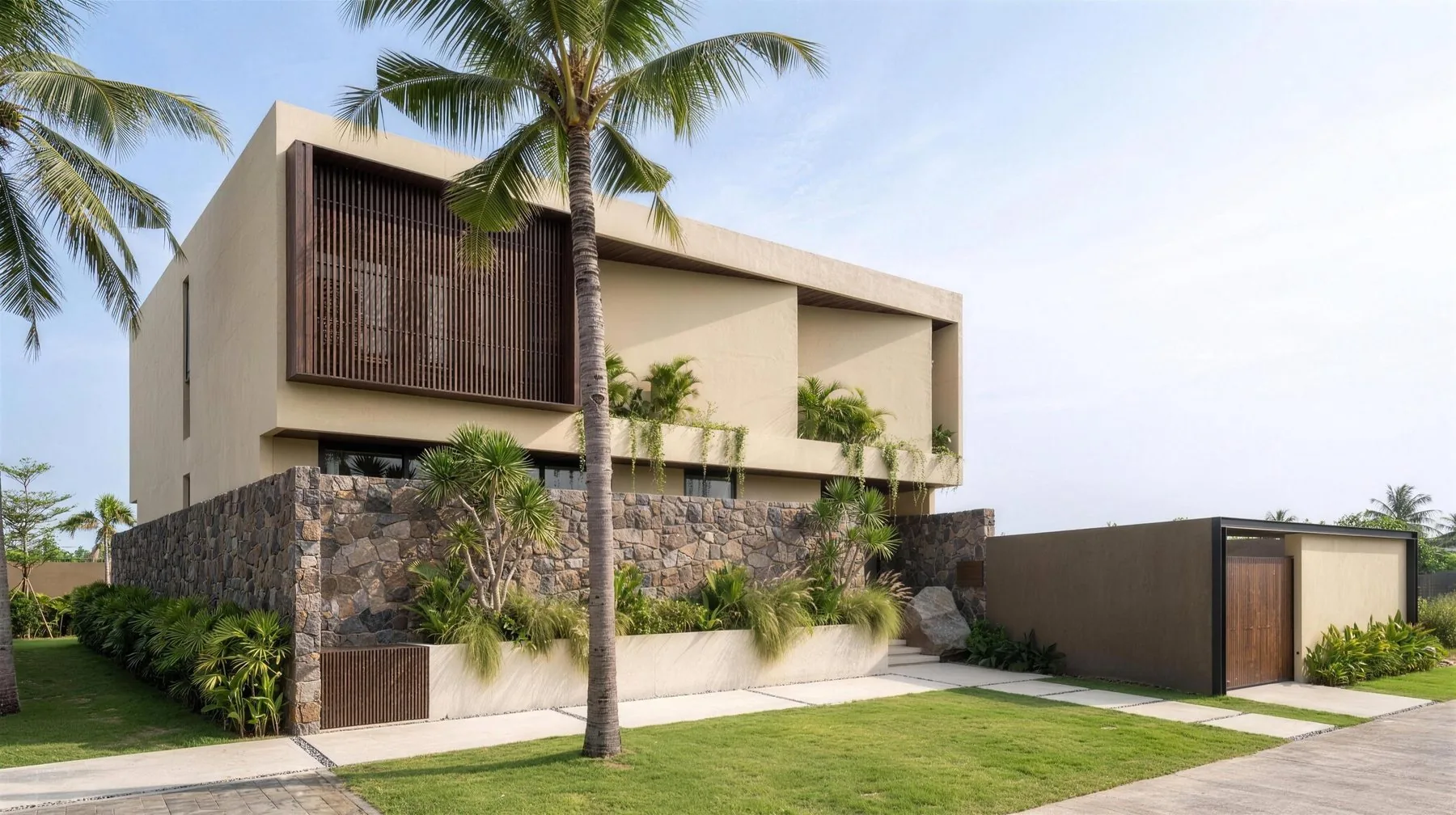
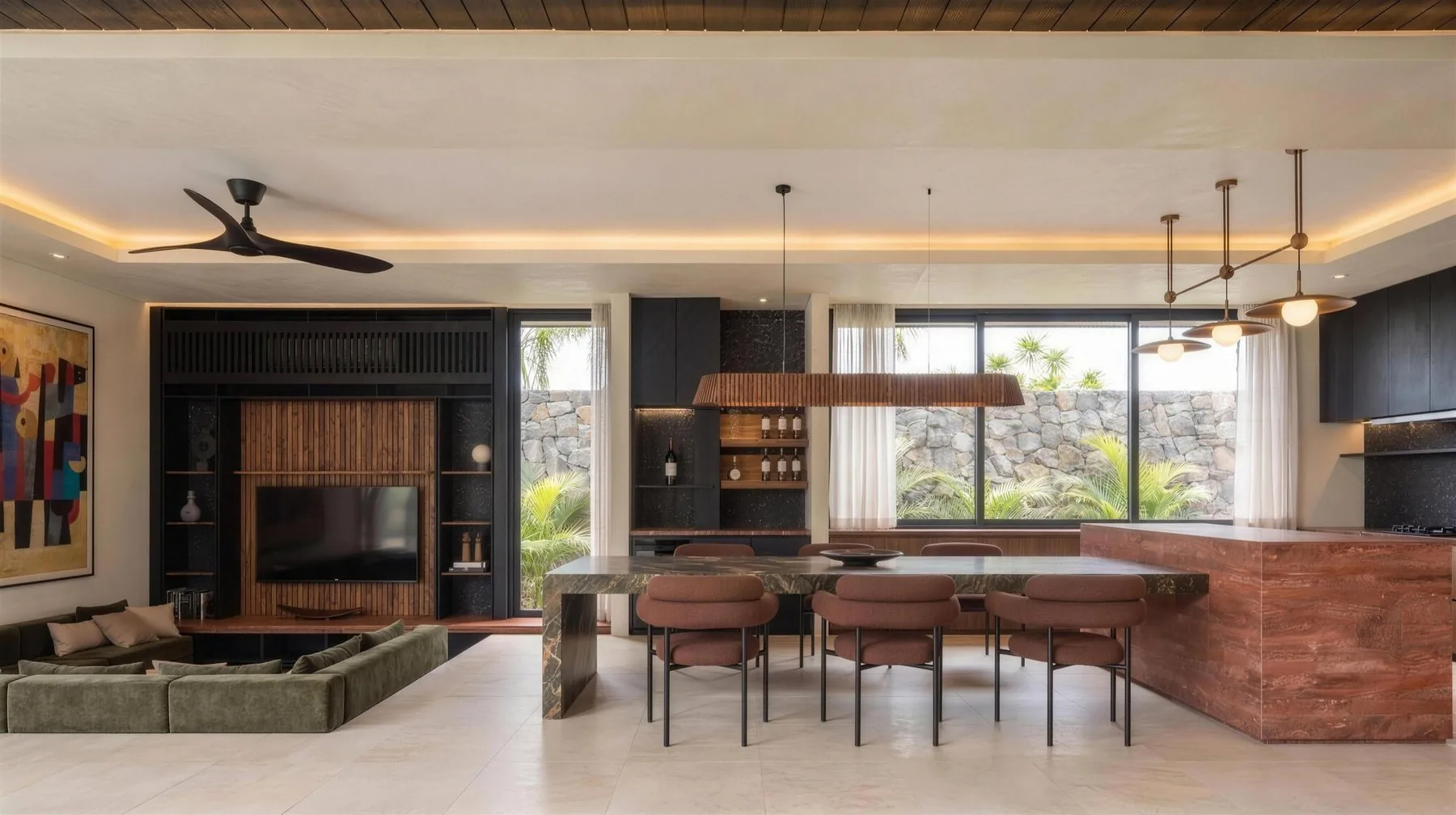
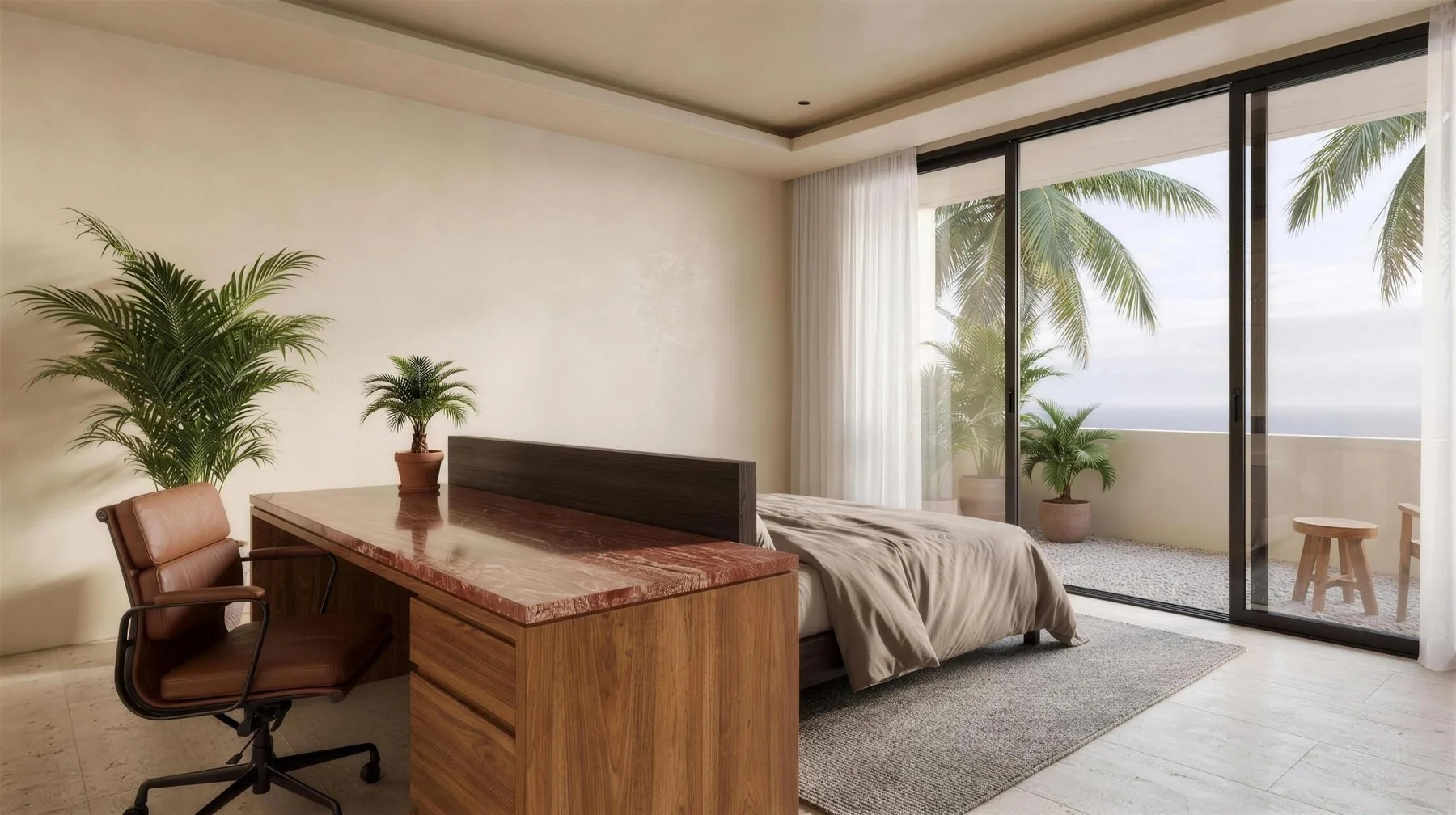
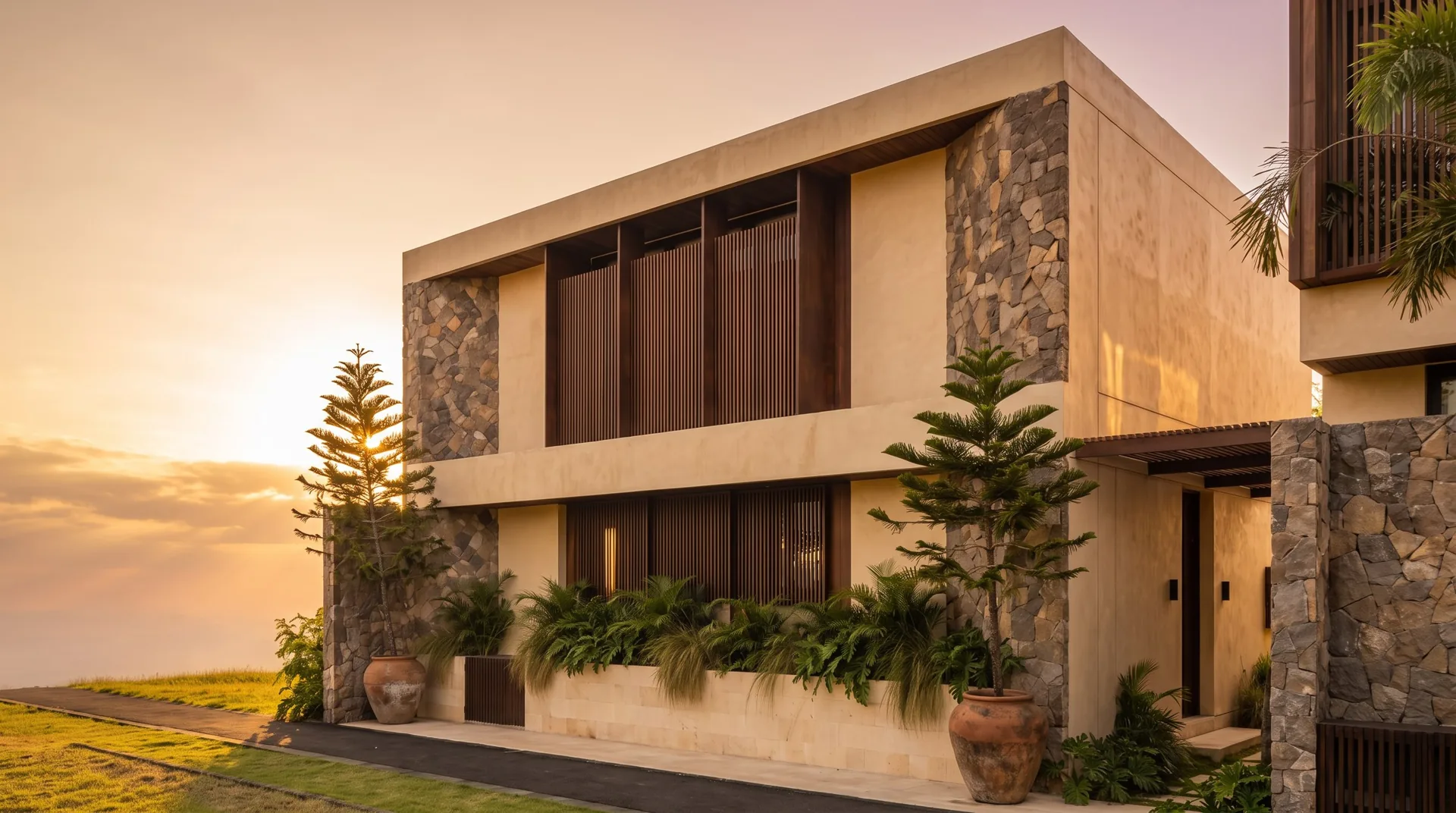



Freehold in Bali: The Ultimate Prize

What Freehold Really Means
Most villas sold in Bali are leasehold, which is a right to use the land for a fixed number of years. Freehold in Bali is the market term for the strongest land right a foreign buyer can hold through a fully compliant structure. It is not Hak Milik, the Indonesian freehold title reserved for citizens, which no foreigner or foreign-owned company can legally hold. In practice it means a Hak Guna Bangunan (HGB) title, a Right to Build granted directly by the Indonesian state and held through your own company, with no private landlord behind it. In a market where most available stock is short-term leasehold that counts down to a private landlord, that direct, state-registered right is the single biggest driver of long-term value.
The distinction matters more in Bali than in most markets, because the island has a hard physical limit. There is only so much land within reach of the beaches, the cliffs and the established lifestyle corridors, and almost none of it is freehold that ever reaches an open market.
Why It Commands a Premium
Scarcity is the whole story. Prime freehold land in Uluwatu, Berawa and Tumbak Bayuh is finite, and very little of it is offered publicly. Because an HGB title renews in cycles through the state rather than counting down to a private landlord, it holds and compounds value across the cycles. Buyers pay more for it, lenders are more comfortable against it, and future buyers compete for it harder.
A leasehold villa has a built in clock. Every year that passes removes a year of remaining term, and the closer a lease gets to expiry the harder it becomes to sell at a strong price. An HGB title runs in renewable cycles rather than counting down to a fixed expiry. That structural difference is why freehold-grade property consistently trades at a premium over short leaseholds, and why the gap tends to widen rather than narrow.

The Numbers Behind the Premium
Think of it in resale terms. A 25 year lease bought today has roughly 25 years of income and use to sell to the next buyer. Sell it in year ten and you are marketing an asset with 15 years left, to a smaller pool of buyers, at a price that reflects the shorter runway. Freehold sells the same asset in year ten with everything still ahead of it.
This is why freehold buyers tend to think in decades rather than exit windows. The land itself is the engine. In prime Bali zones land values have moved at double digit rates per year through multiple cycles, and the compliant HGB structure captures that appreciation without a short private lease counting down against you.
How Foreign Buyers Own It Safely
Foreign nationals cannot hold Indonesian freehold in their personal name. They can, however, own it securely through the right legal structure. At Art Villas Bali we use notary backed frameworks, most often a UAE SPV (a Dubai mainland or RAK ICC company) that owns an Indonesian PT PMA, which in turn holds the asset. Under your purchase agreement, your capital is designed to be held in escrow and released against notary-verified milestones, the land is liability isolated, and your ownership is clean, audited and ready for a future sale.
What you should never do is rely on a nominee arrangement, where the land sits in an Indonesian individual's name with a private side agreement. Those structures are widely used, poorly enforced and have cost foreign buyers real money. If a seller cannot explain the structure clearly, that is the answer.

What to Check Before You Buy
Verify the certificate type and that it matches what is being sold. Confirm the zoning permits what you intend to build or operate, because not all land can carry a commercial rental villa. Check the building permit, the access rights and any easements. Ask who holds the money during construction and against what milestones it is released. A credible developer will have documented answers to all of it.
Where Freehold Still Exists
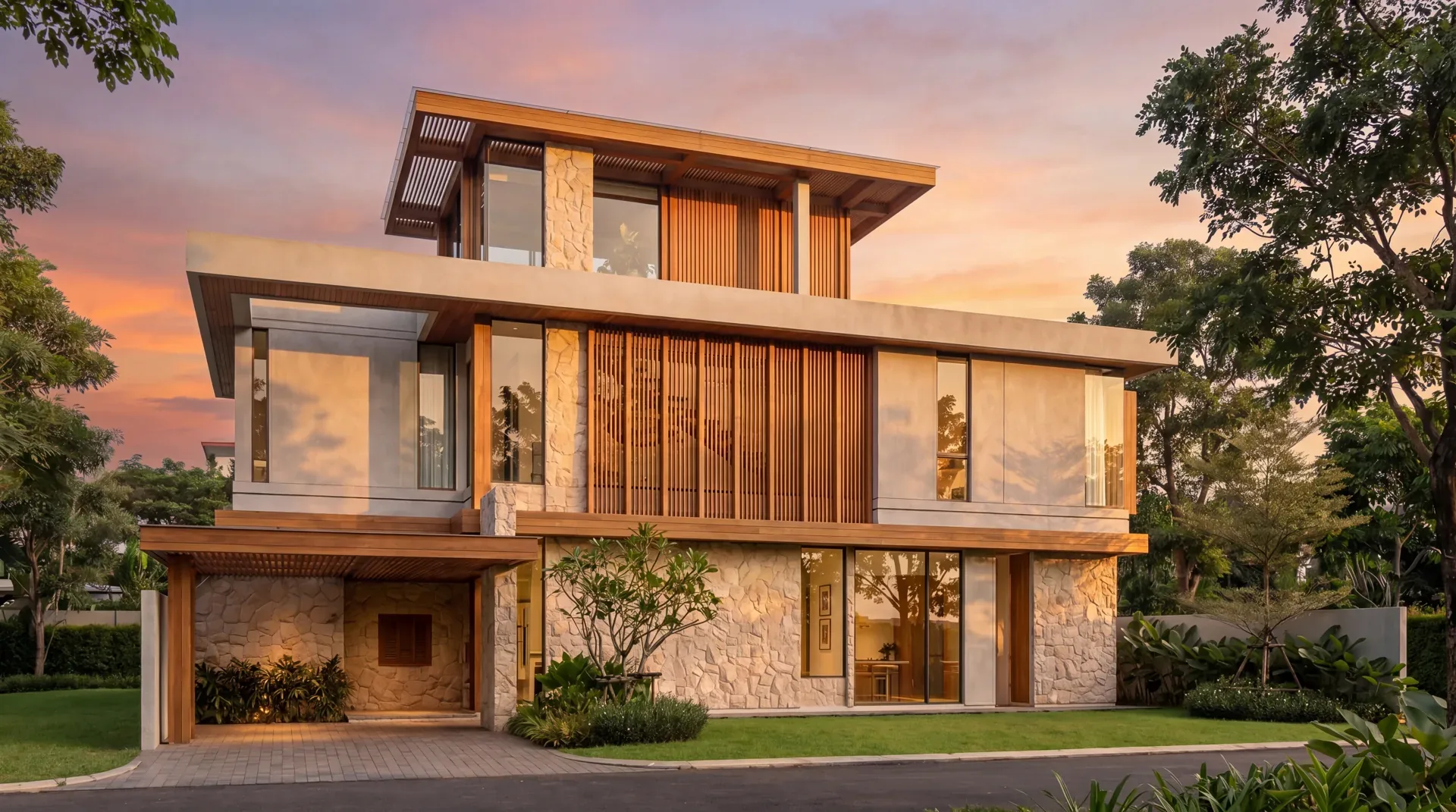
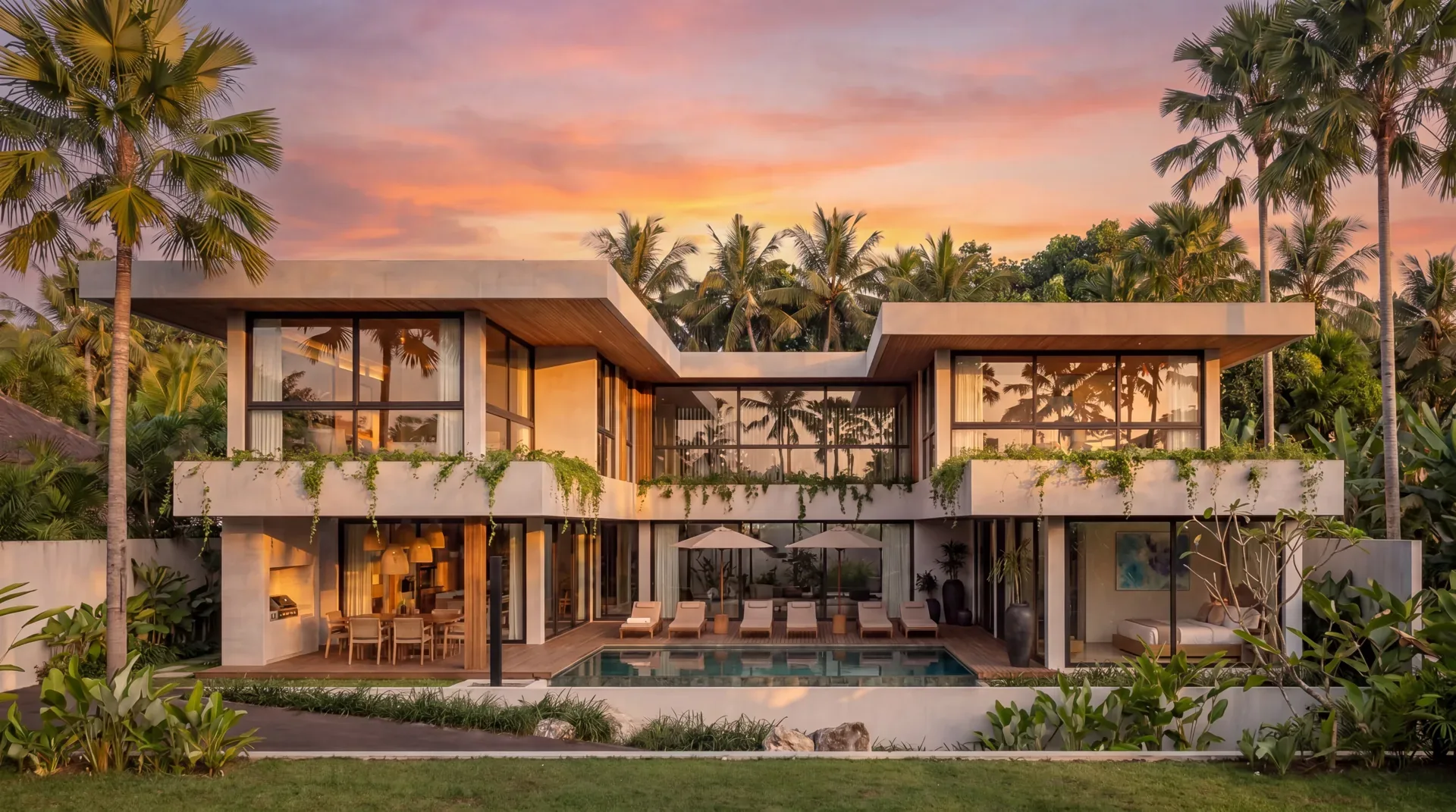
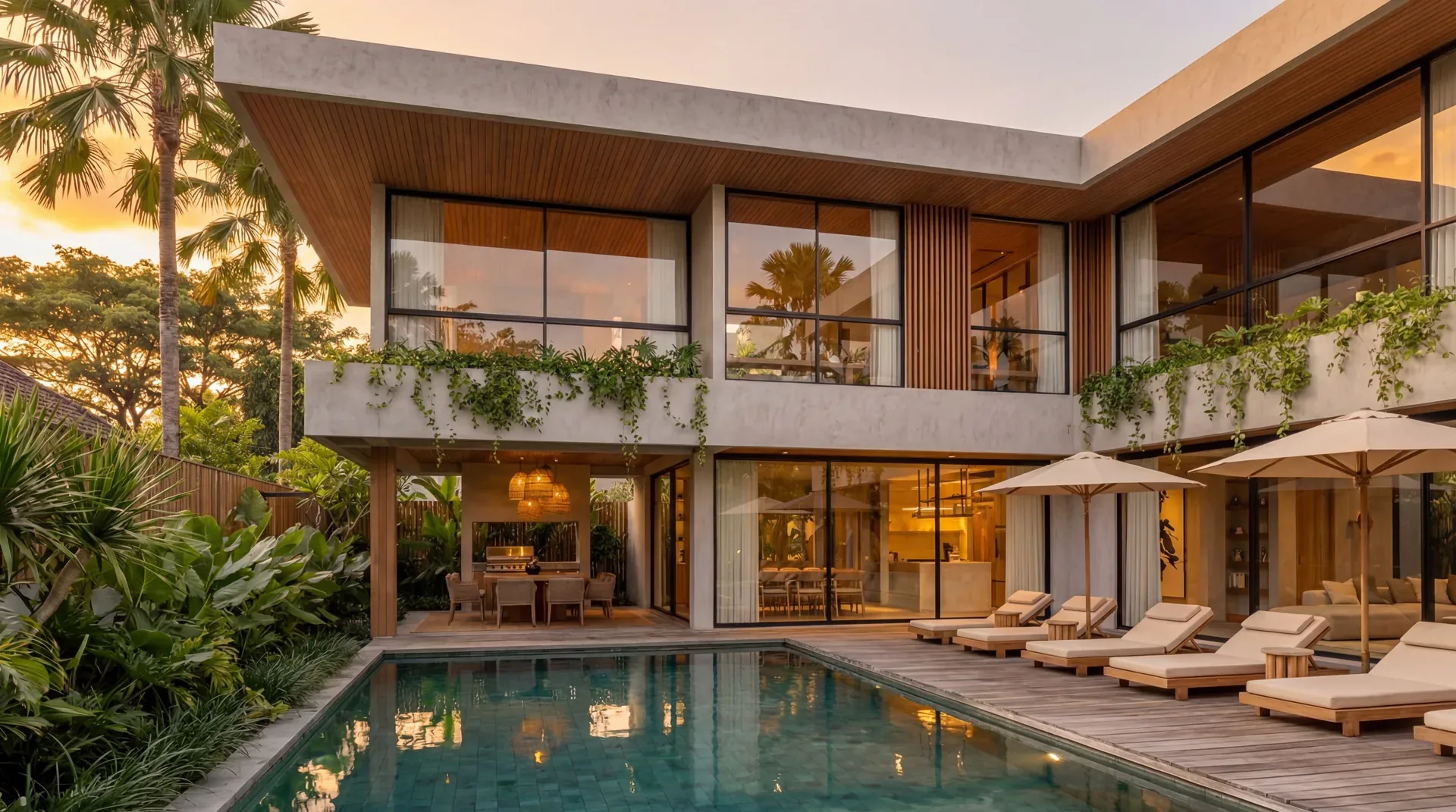
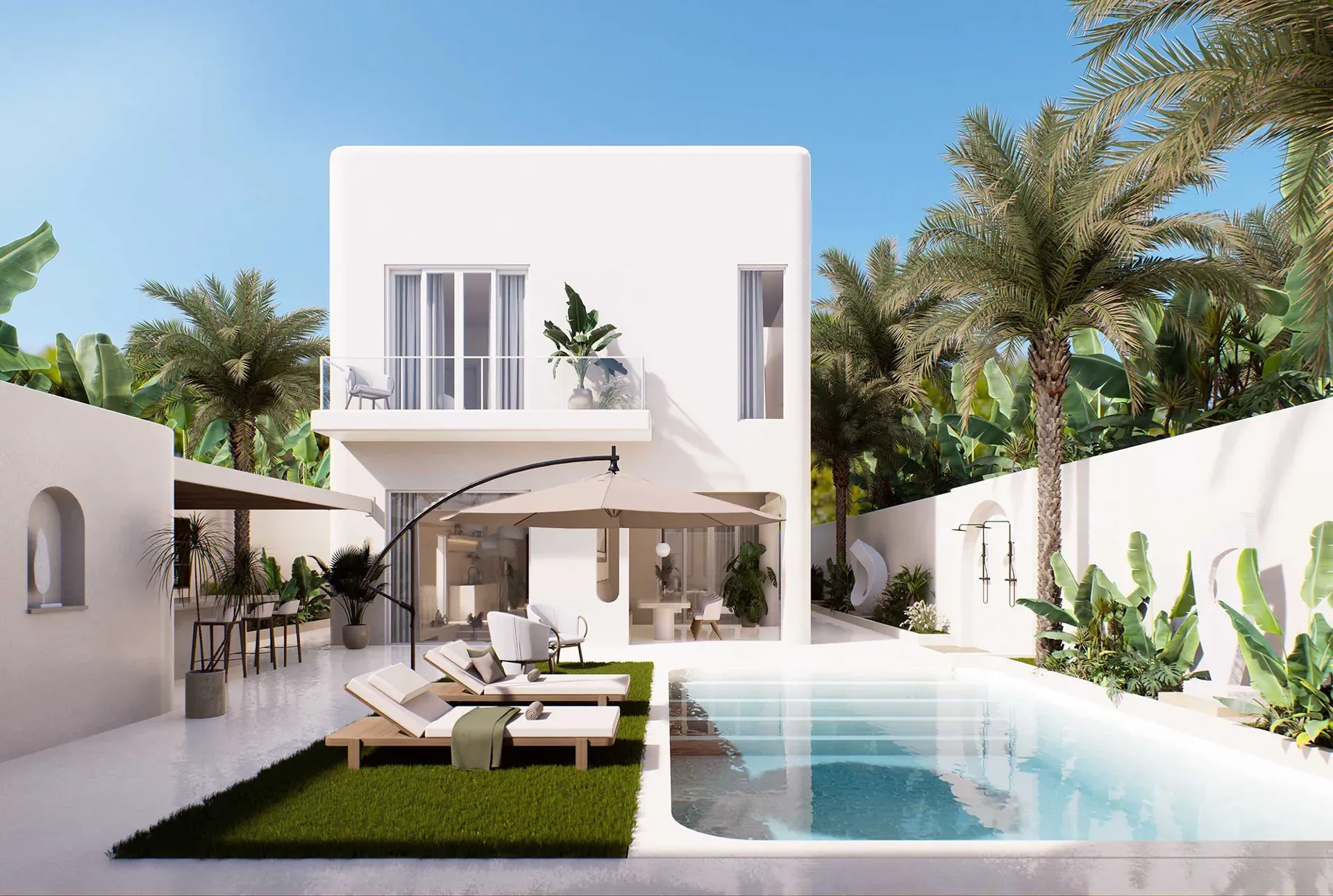
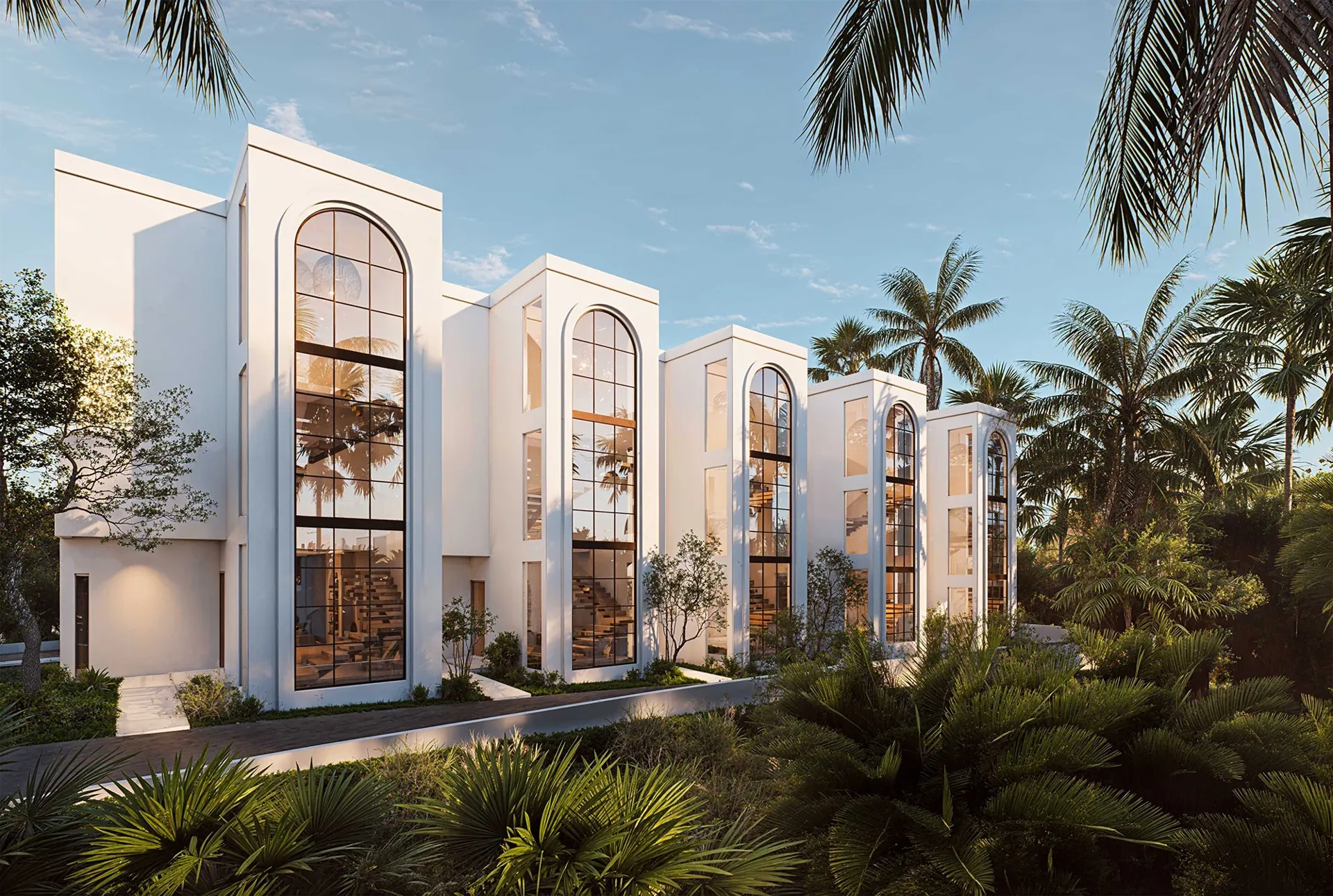
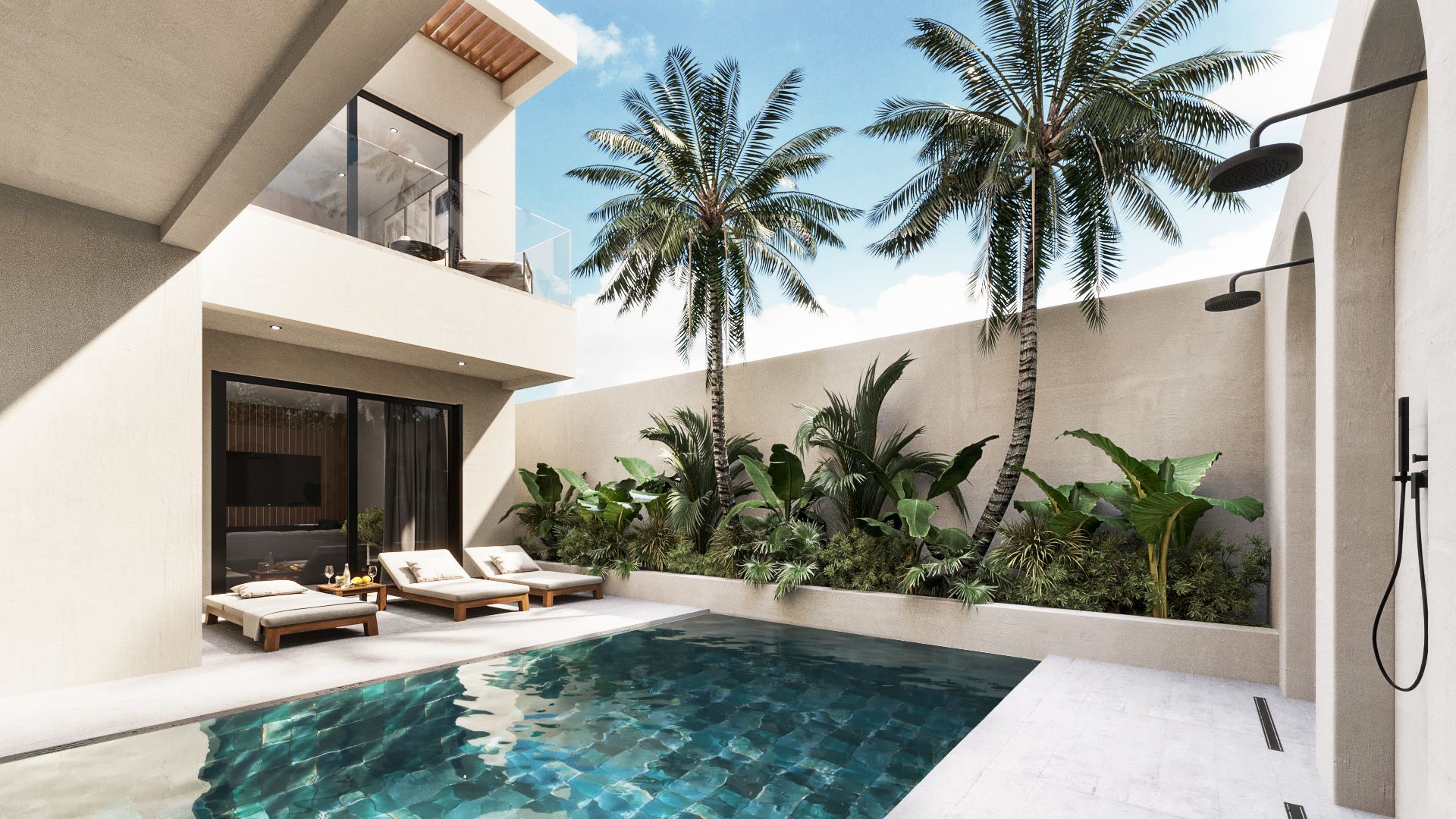
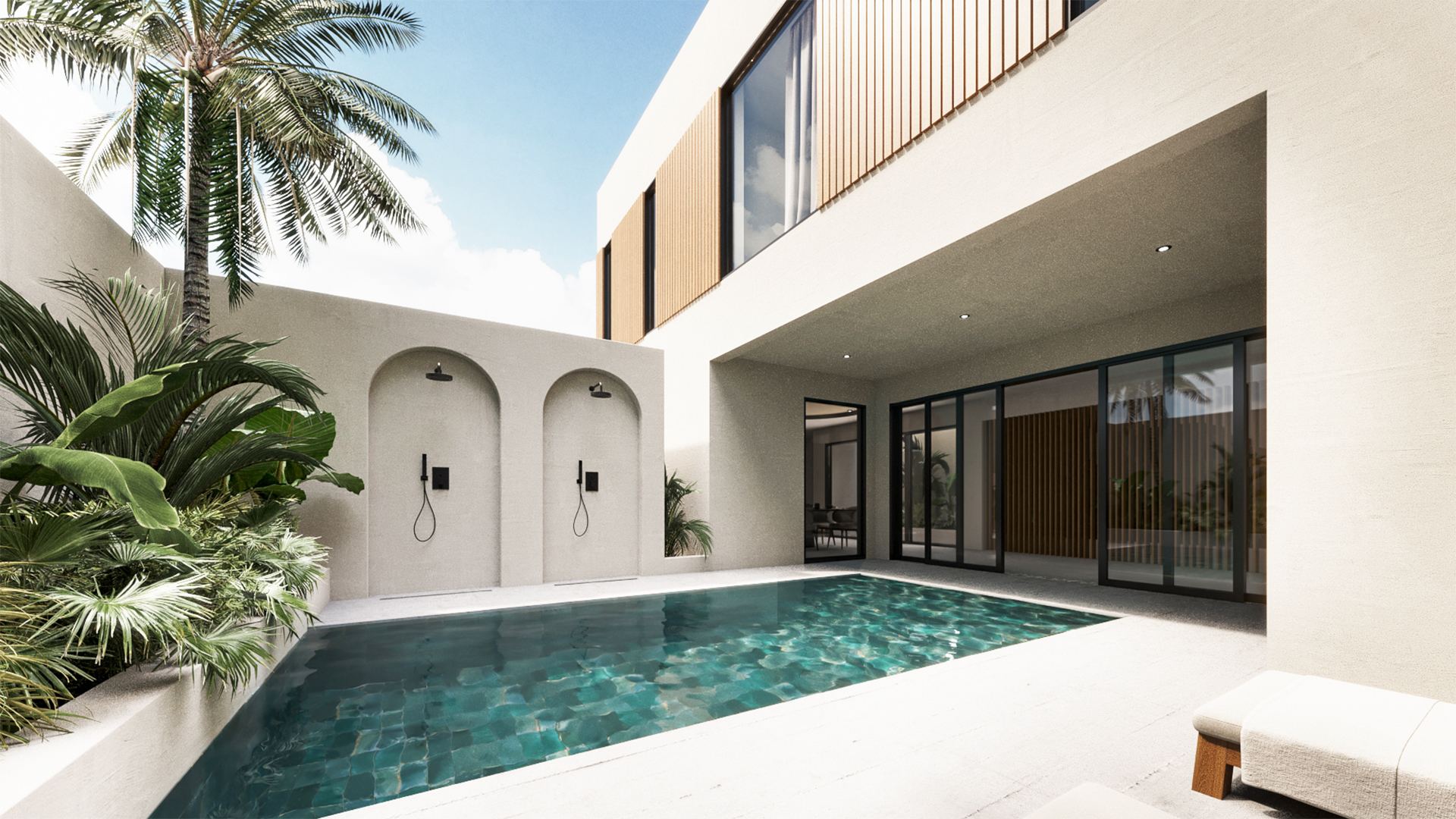
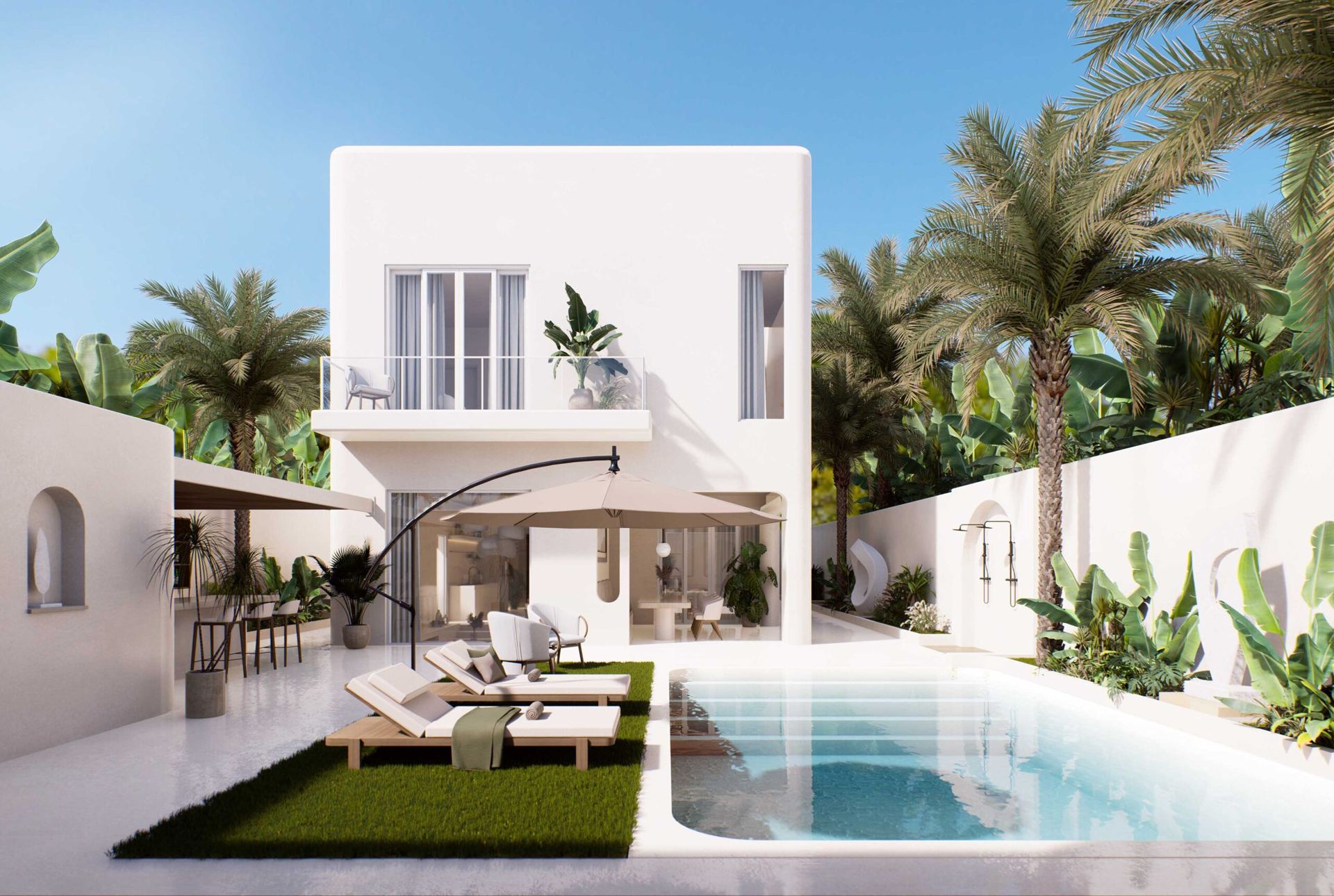
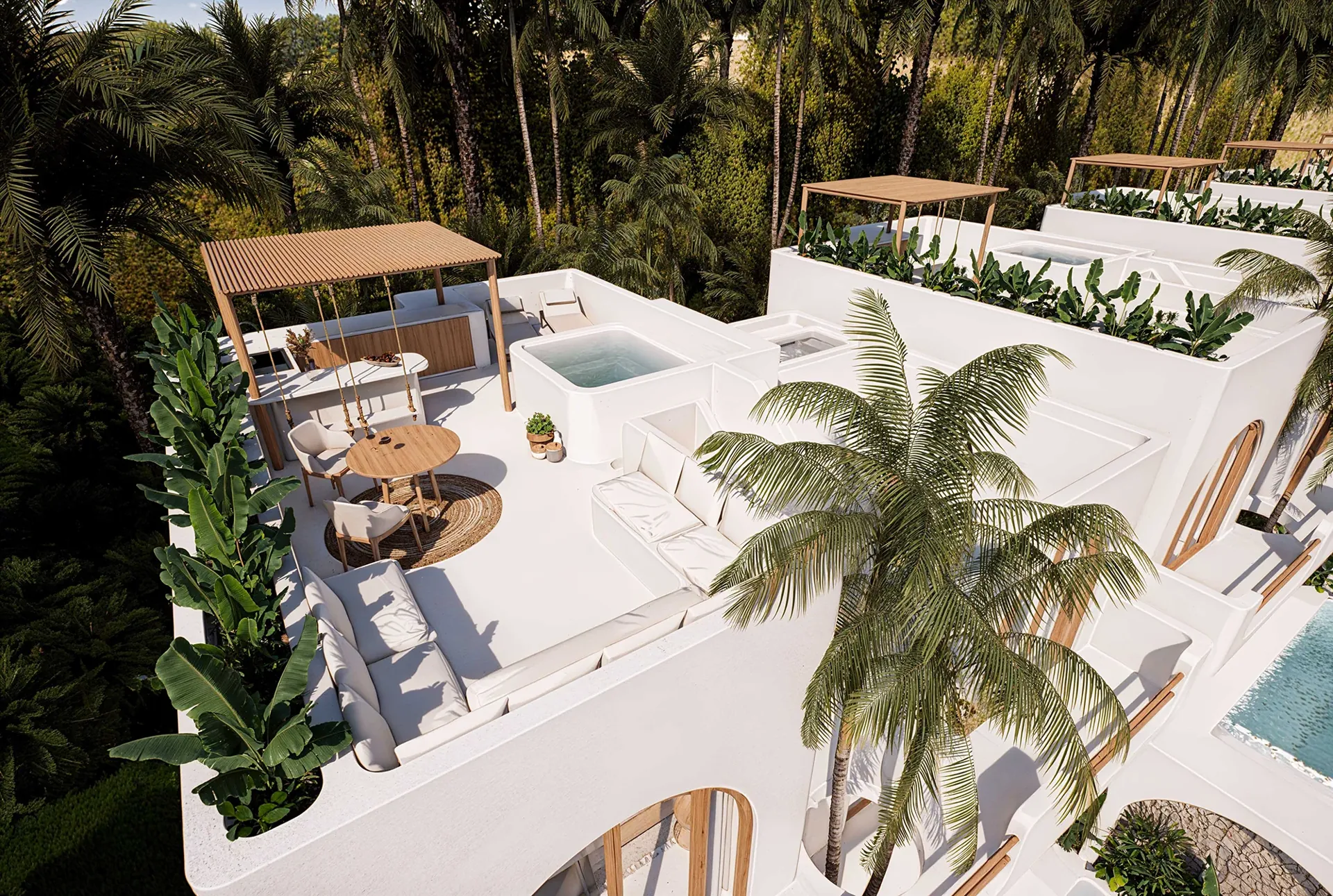
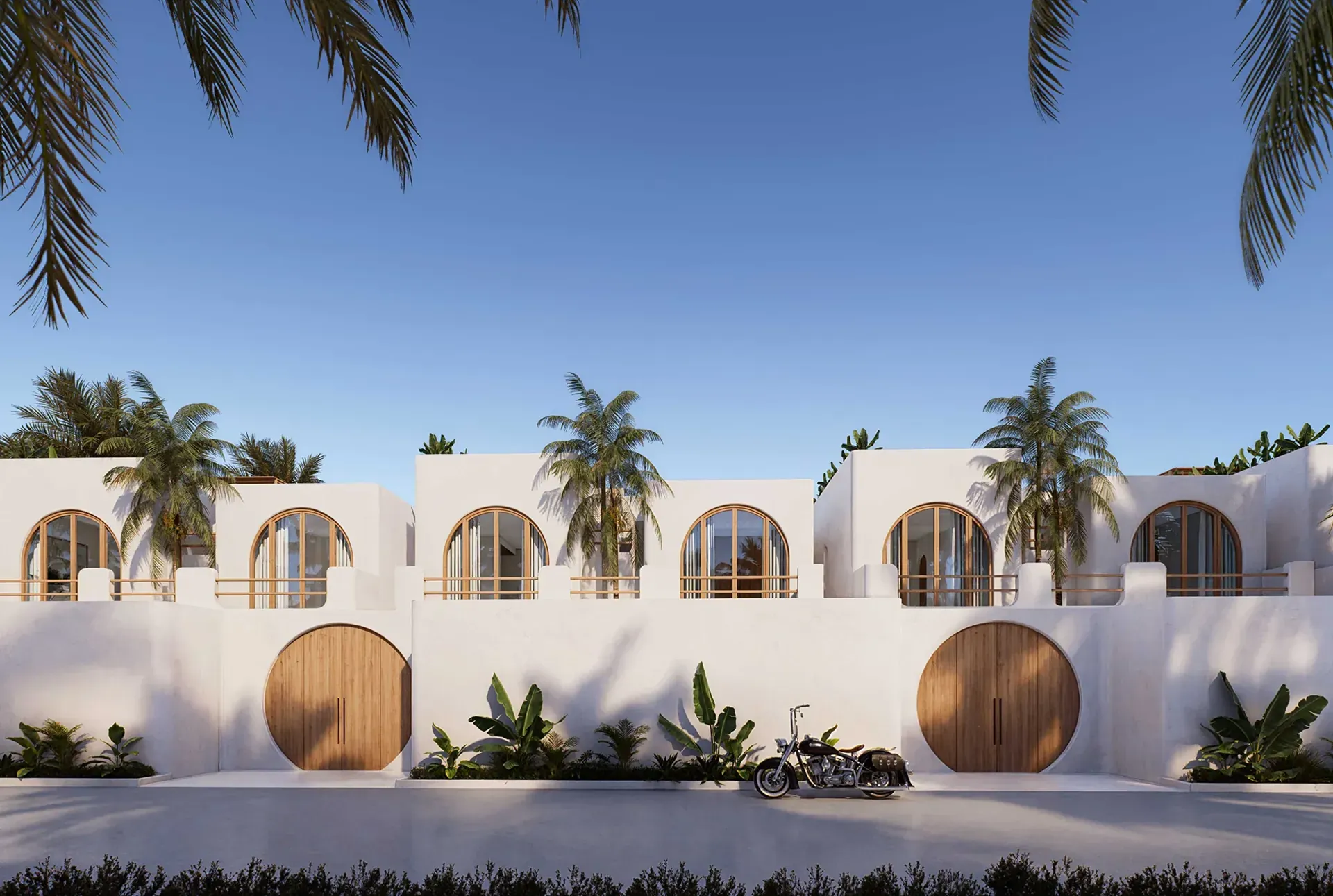
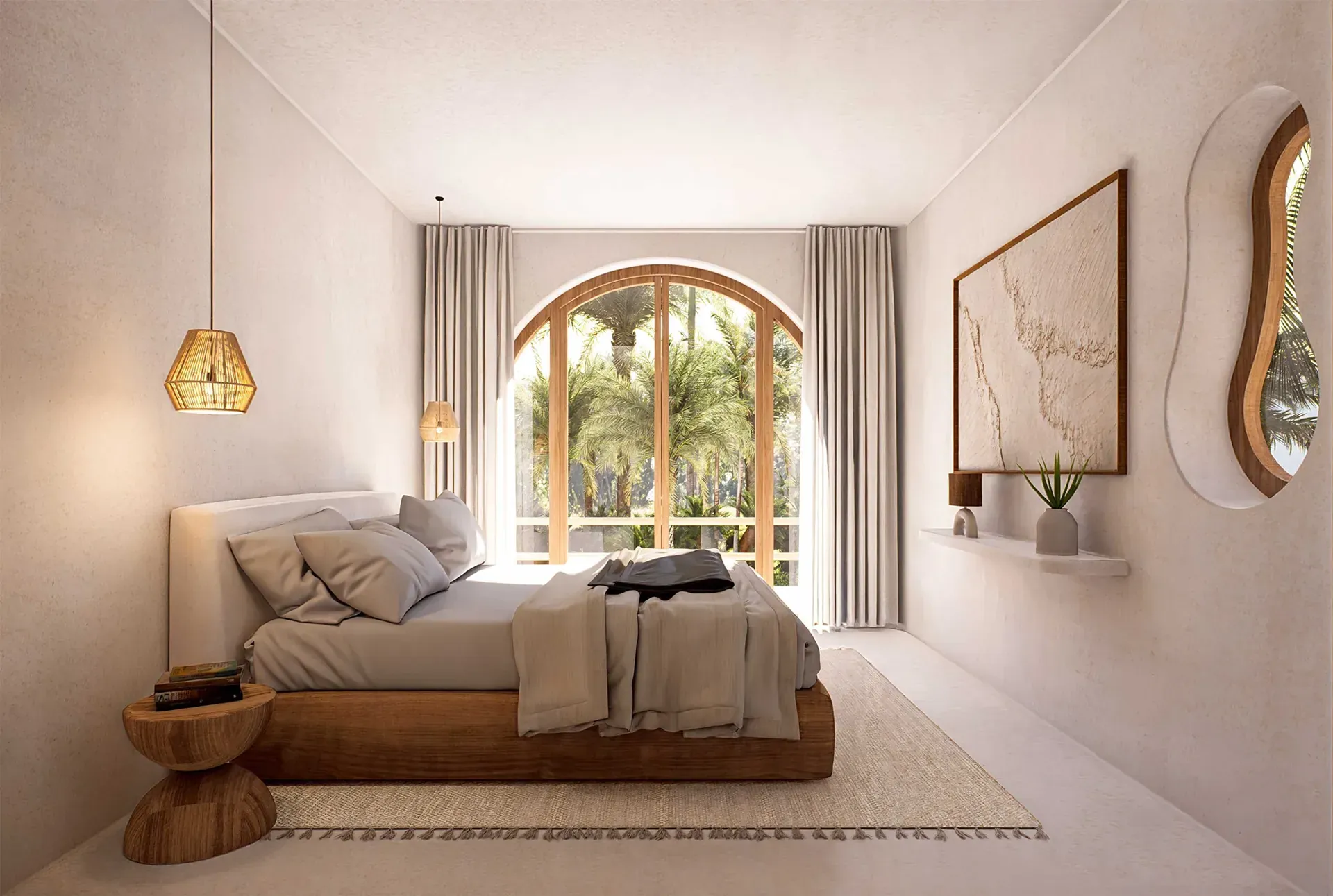
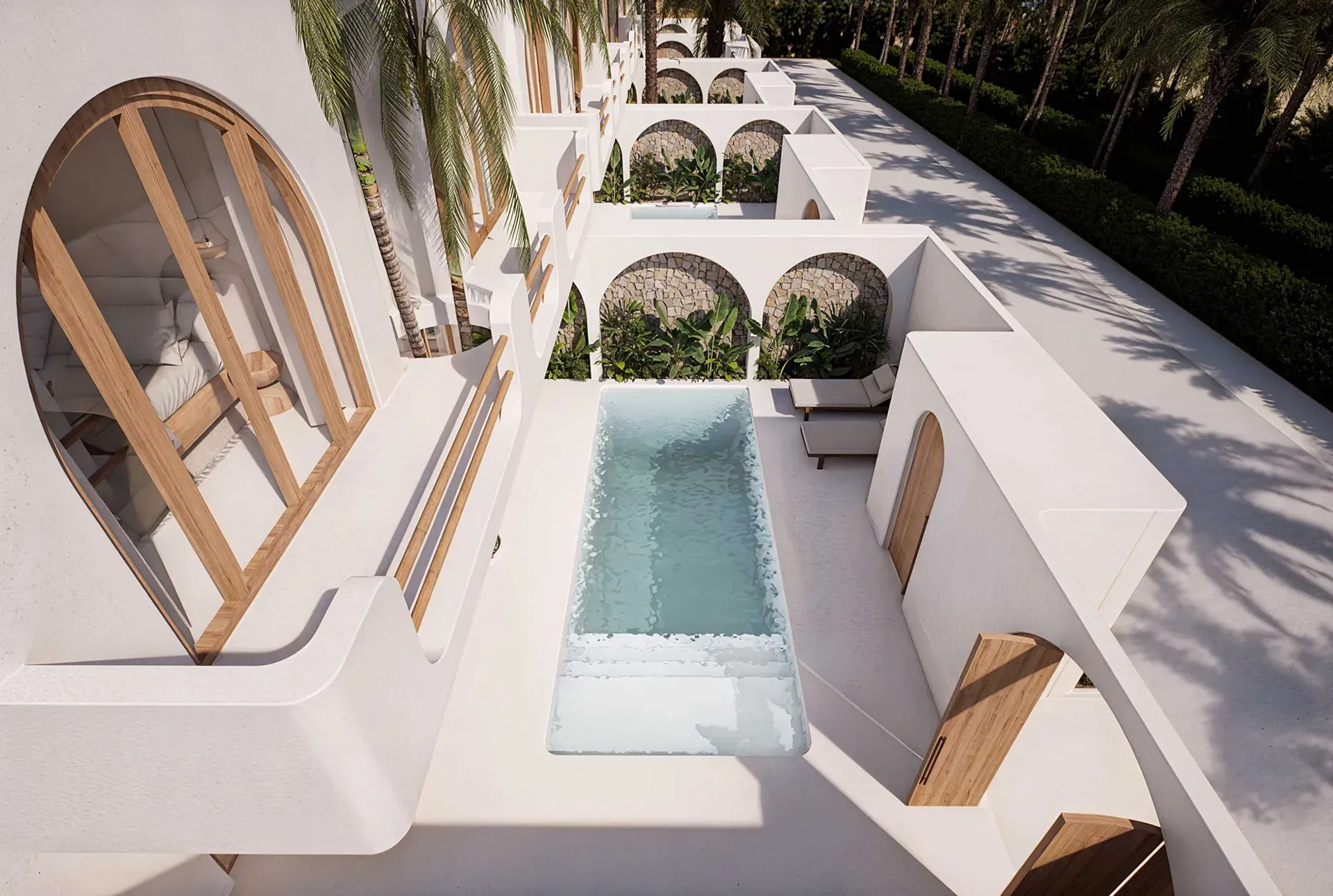
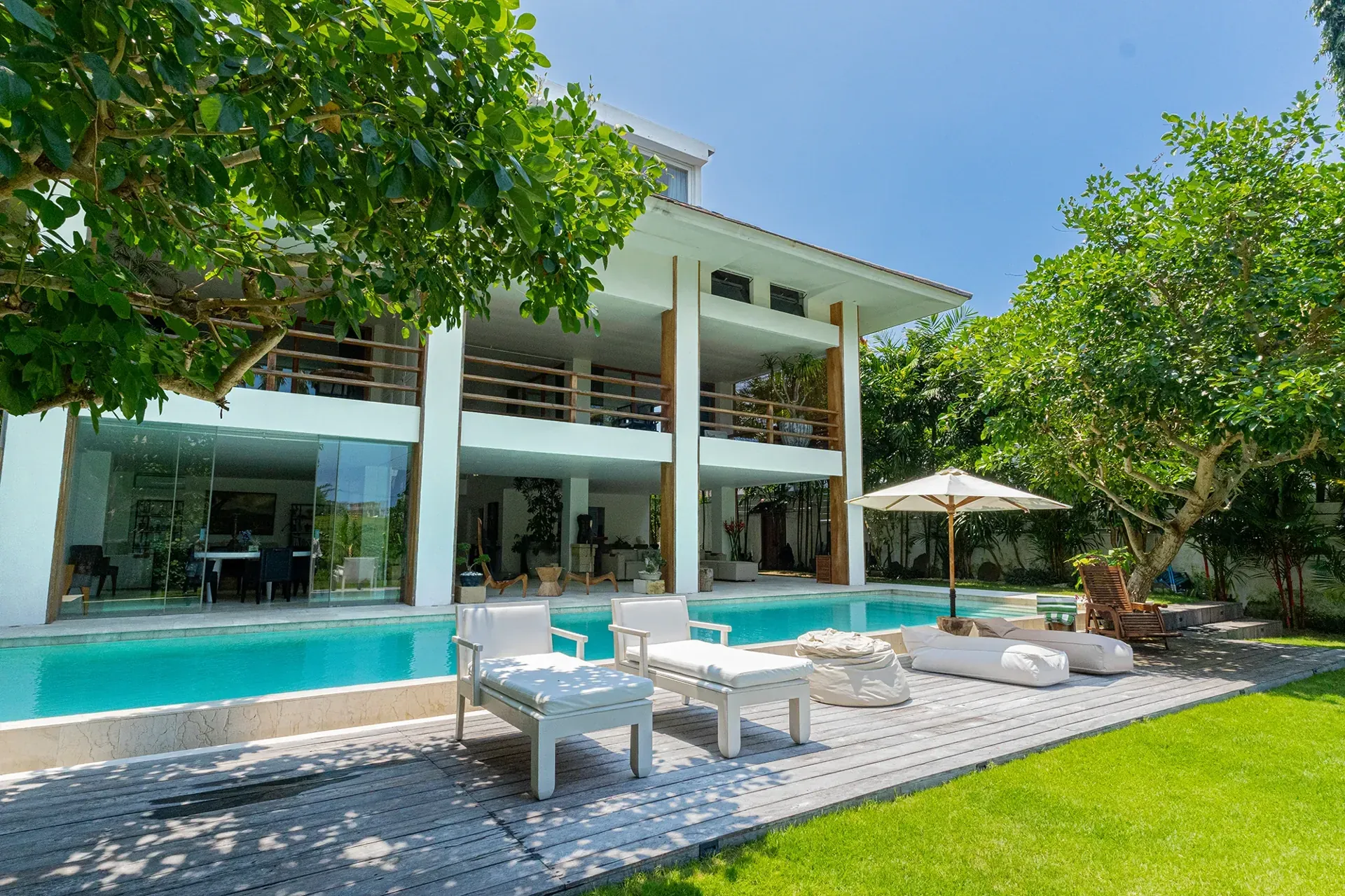
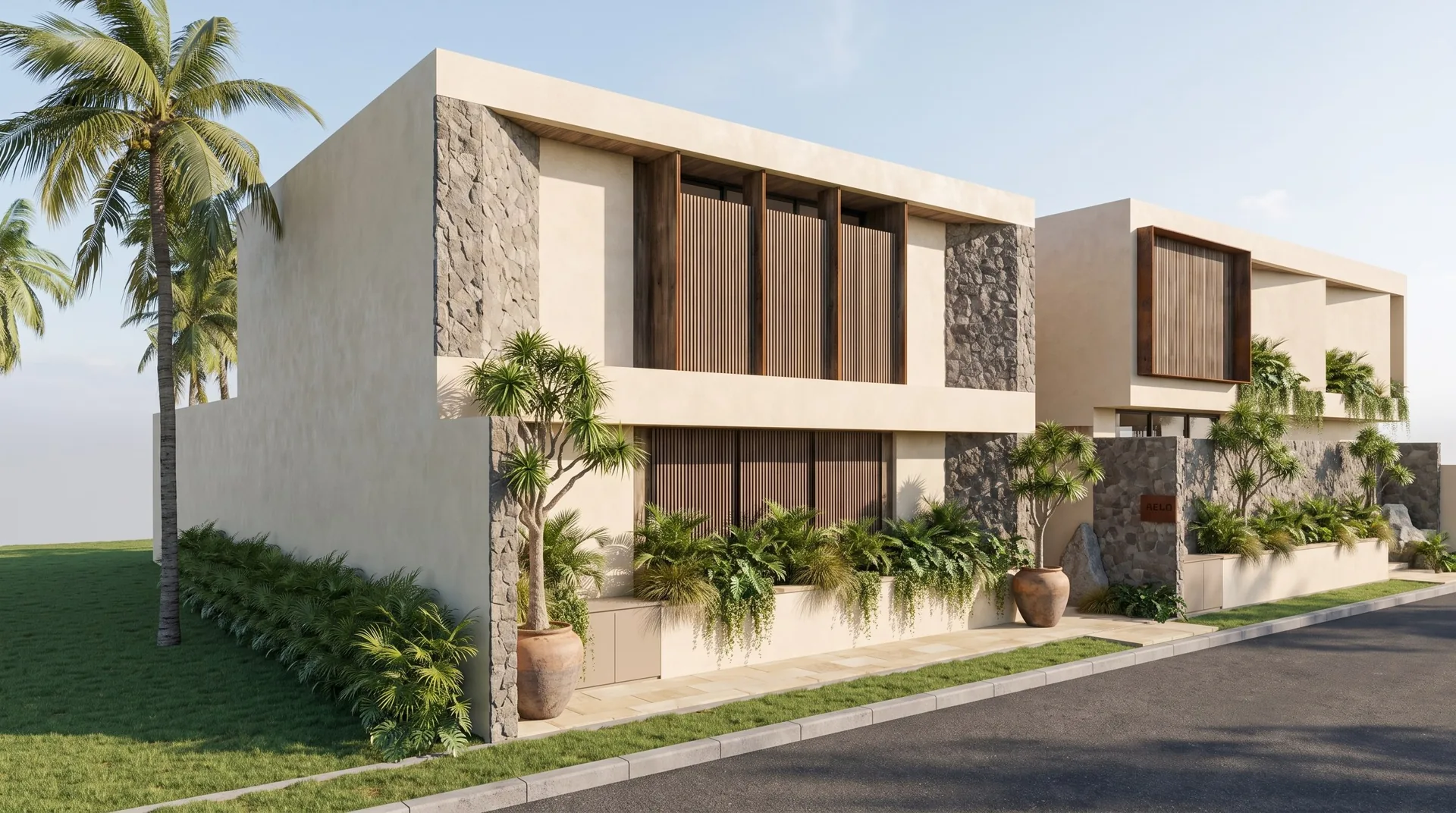
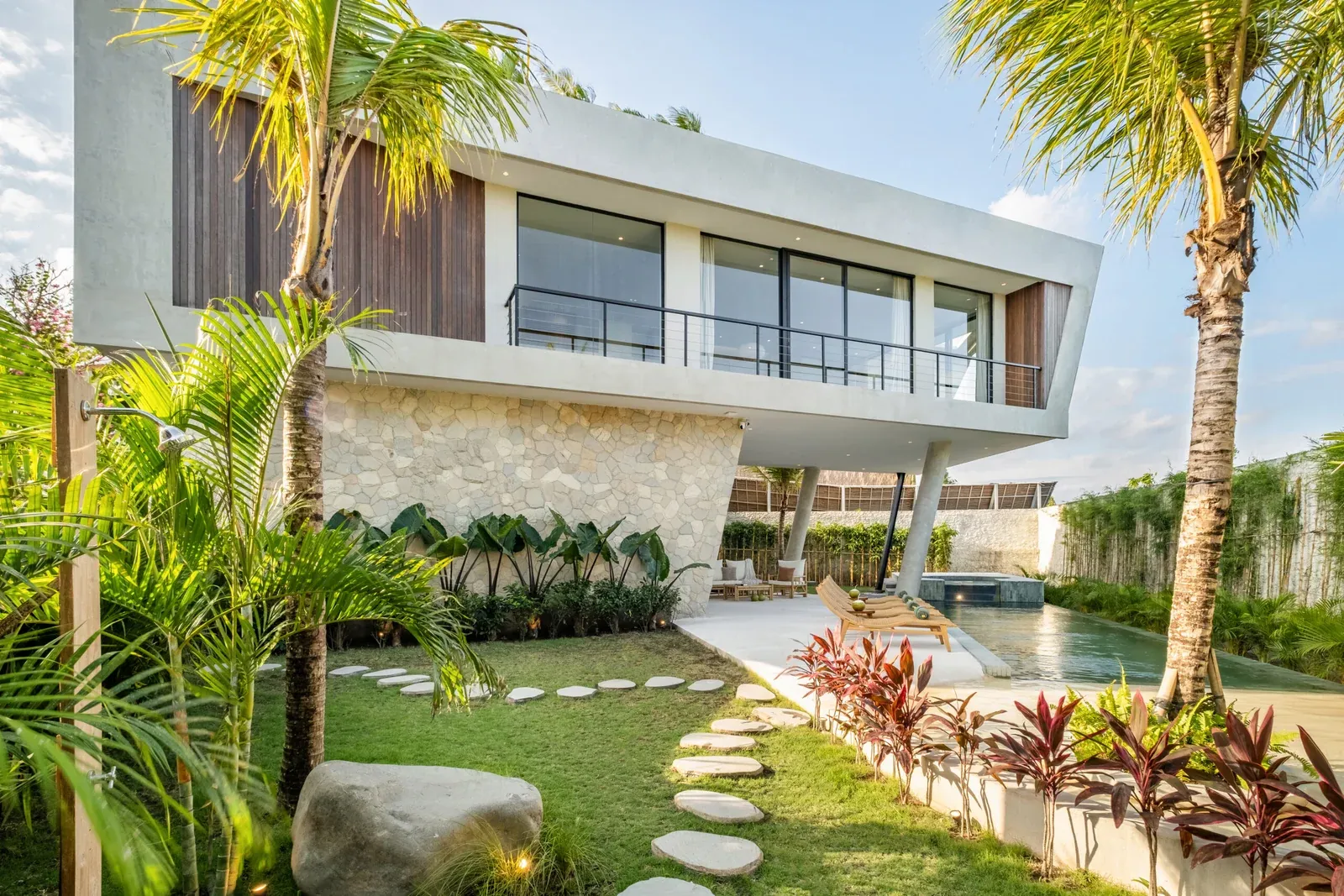
It is rarer every year. Ulu Art Bay and Kimbilio are two of the very few genuinely freehold opportunities we offer, and both sit on land assembled well before current prices. As the supply of clean, permitted freehold in prime zones continues to tighten, the buyers who moved early are the ones holding the appreciating asset.
If permanence matters to you, freehold is where to start. You can see the current freehold releases on our properties page, or read how our structure works on the investment page.