The Bali Villa Buying Process: From Land to Keys, Step by Step
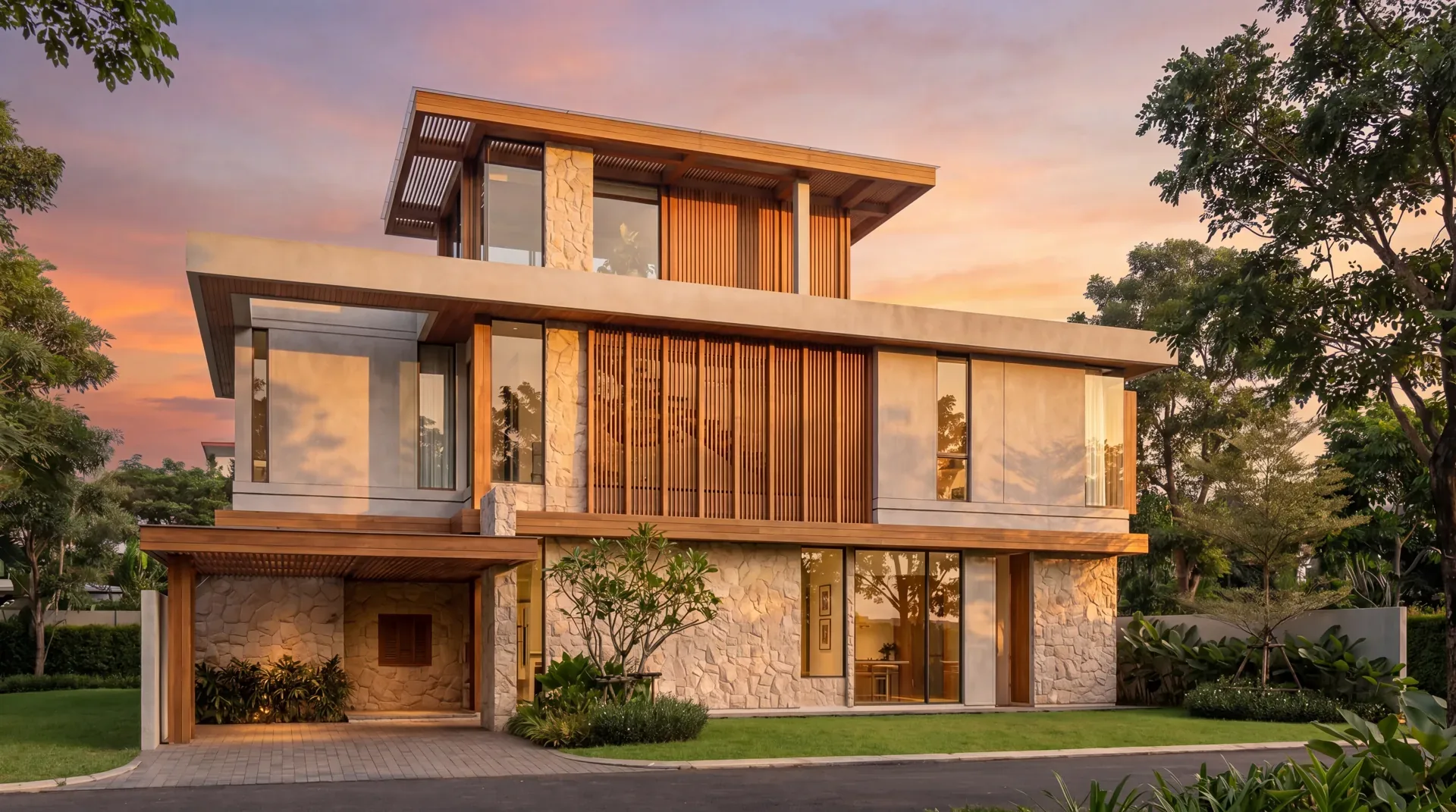
Buying a villa in Bali is less complicated than the forums make it sound, but it is different from buying a home at home. There is a reservation, a company to own, a notary and a land office, a build to fund in stages, and a handover. Each step has a purpose, and a good developer runs them in order so you always know what happens next.
This guide walks the whole process from first enquiry to the keys in your hand, using the way we structure a purchase at Ulu Art Bay as the worked example. The sequence is the same whether you are buying one villa for yourself or several to let.
Before you start: decide what you are buying
The first decision is not legal, it is practical. Are you buying a home to use, an asset to let, or both. That answer shapes everything downstream, from the tenure you want to the collection you choose. A buyer who will spend three months a year in the villa and let it the rest wants a different layout and a different management plan from a buyer who will never stay in it.
The second decision is tenure. In Bali a foreigner can hold freehold-grade title through a company, or a shorter leasehold through a private contract. We cover the full comparison in our guide to freehold vs leasehold in Bali, but the short version is that freehold through HGB holds its value and lets you sell, transfer or inherit cleanly, which is why the investors we work with choose it. Ulu Art Bay is freehold throughout.
Get those two answers clear before you enquire. It makes every conversation that follows faster and more honest, and it stops you comparing villas that are not really comparable. A personal-use home and a pure rental asset are different products even at the same address.
It also helps to be honest about your timeline and your appetite for a build. An off-plan villa is cheaper to enter and captures the completion uplift, but it asks you to wait for a construction programme to finish. A ready villa costs more and earns from day one. Neither is better in the abstract. The right answer depends on whether you need the villa now or you are buying for the medium term. We compare the two in our off-plan versus ready guide.
Step one: enquiry and villa selection
The process begins with an enquiry. You tell us the budget, the use and the timeline, and we match you to a collection. At Ulu Art Bay the choice runs across four: Aura, the three bedroom collection from 719,000 US dollars, Helena, four bedrooms from 1.249 million, Terra, four to five bedrooms from 1.349 million, and the single Adonis residence, five to six bedrooms from 2.499 million.
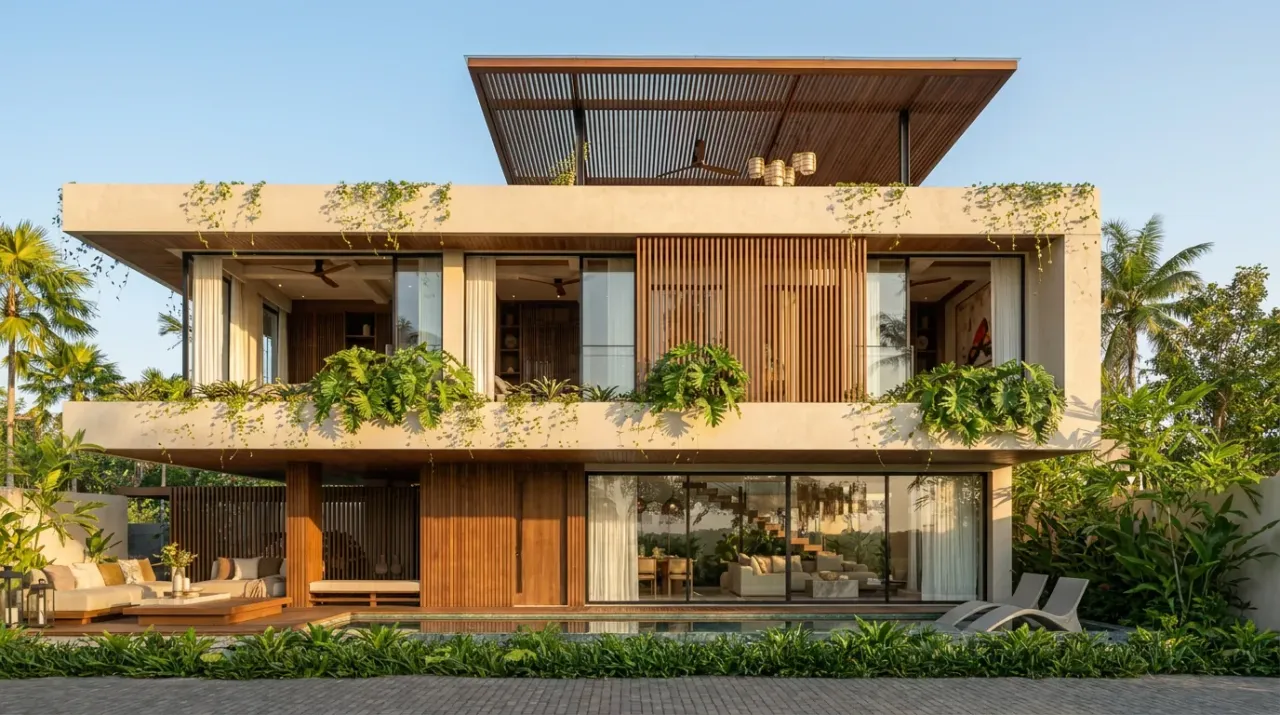
This is also where you choose a design language. Every villa is built in one of three: Minimal Modern, which is light, pure and geometric, Mediterranean Luxe, in textured stone, linen and bronze, or Bohemian Artist, built around colour, movement and handcrafted detail. You are not picking from a finished stock of homes, you are specifying the one that will be built for you.
A good developer will send you the data room at this stage, not just a brochure: the floor plans, the build areas, the price list and the financial model. If you want to see it for a specific unit, contact our team.
Thinking about Uluwatu? Our team can walk you through availability, pricing and the ownership structure at Ulu Art Bay.
Contact usSign upStep two: reservation and the 10% deposit
When you have chosen a villa, you reserve it. Reservation is a 10% deposit, and it does two things. It takes the specific unit off the market so no one else can buy it, and it fixes your entry price. At Ulu Art Bay the off-plan price is the lowest the villa will carry, so reserving early is also how you lock in the base for the completion uplift.
The deposit is documented in a reservation agreement that sets out the villa, the price, the payment schedule and the timeline. Read it. A serious developer will welcome the questions and will not rush you through this step.
One point worth stating plainly: a reservation is not the same as the full purchase, and a reputable developer keeps your deposit accountable, set against the price and documented, rather than treated as a non-refundable booking fee with no paper behind it. Ask how the deposit is held and how it credits against the balance before you sign anything.
From the moment the reservation is signed, the clock on your purchase starts, and the legal structure that will own the villa begins to take shape.
Step three: setting up the ownership structure
A foreigner cannot hold Indonesian freehold title personally, so the villa is owned through a company you control. That company is a PT PMA, a foreign investment company that can lawfully hold HGB title. You own the PT PMA, the PT PMA owns the villa, so you control the asset without a landlord in the chain.
At Ulu Art Bay the structure is layered for protection and tax efficiency. A Dubai special purpose vehicle that you fully own holds the shares of the PT PMA, and the PT PMA holds the land and the building. The phrase we use is plain: you own the company, we build the asset. Returns and capital repatriate without restriction through this structure.
Who sets it up
You do not assemble this yourself. The company formation and the title structuring are handled by specialist legal partners, ILA Global and Hoot Legal, who register everything correctly from the start. This is deliberately not a nominee arrangement, where a local person holds title on your behalf, because nominee holdings are void under Indonesian law. The whole point of the PT PMA route is a title registered to an entity you actually own. For the law behind it, read our guide to HGB and Indonesian agrarian law.
Owning through a company also brings ongoing obligations that are worth understanding up front: the PT PMA has reporting and tax duties, and the structure needs maintaining year to year. At Ulu Art Bay the tax and accounting sit inside the in-house service, so the company stays compliant without you managing an accountant from overseas. The structure is a tool, and a good developer runs it for you rather than handing you a company and walking away.
Step four: the notary and BPN registration
With the company in place, the transaction is formalised by a notary. In Indonesia the notary is a central figure in any land dealing, responsible for drafting and witnessing the deeds and for confirming that the parties and the parcel are what they claim to be. Our notary and land rights lead, Indra Mandhala Putra, oversees this stage.
The title is then registered with the BPN, the state land agency. Registration is the step that makes the right real. An HGB title is not a private promise, it is a recognised property right recorded by the state in the company's name. Until the BPN has registered it, you do not have the protection you are paying for, which is why a credible developer treats this step as non-negotiable and documents it.
This is also the point at which thorough buyers run their due diligence, confirming the title is clean, the zoning permits the build and the developer holds the permits. We set out the full checklist in our guide to buyer due diligence, and a reputable seller will have the answers ready before you ask.
The notary stage is where cutting corners costs buyers the most, which is why it belongs with named professionals rather than an unofficial fixer. A correctly notarised and BPN-registered title is the document you fall back on if anything is ever disputed, and it is the thing a future buyer's lawyer will examine when you come to sell. Spend the time here. It is the foundation everything else stands on.
Step five: construction milestones and staged payments
An off-plan villa is paid for in stages tied to construction, not in one lump at the start. At Ulu Art Bay the price moves across four construction phases, and your payments release against verified progress rather than against the calendar. The build itself is a 24 month programme delivered by Lexio Construction, a Bali contractor with more than 40 years of experience, to designs by SUKYF. Completion is 2028.
Two things protect you through the build. The first is that funds release against milestones a notary or the project confirms, not on the developer's word alone. The second is transparency: you should receive regular progress reporting, with photographs and dates, so an overseas buyer can watch the villa rise without being on site.
The off-plan advantage
Staged buying is also where the off-plan return is earned. Because you enter at the lowest price the villa will carry and the price climbs across the four phases, a buyer who reserves early and holds to handover captures a +34.8% uplift from off-plan to completion before the villa has let a single night. We break the economics down in Uluwatu villa investment and ROI.
Step six: furnishing and handover
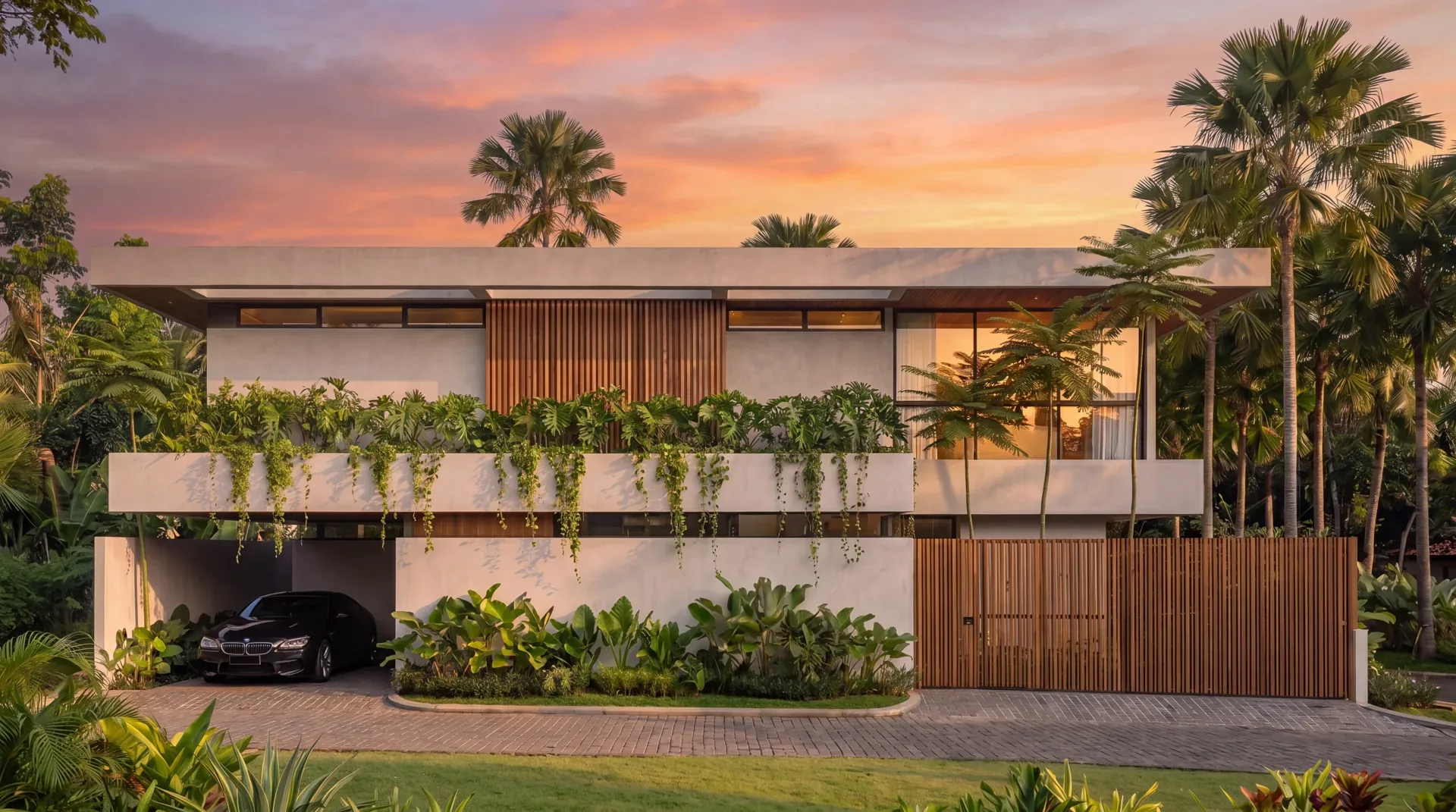
When the build completes, the villa is furnished and finished before you receive it. Every villa at Ulu Art Bay is sold fully furnished and move-in ready, which means the furniture, the fit-out and the styling are part of the delivery, not a separate project you manage after the fact. A turnkey handover is the difference between keys and a long second job.
Handover is the formal transfer of the finished, furnished villa. You inspect it, any snags are logged and resolved, and the documentation is completed. From this point the villa is yours to live in or to let, and the structure that owns it is already in your name.
Treat the inspection seriously even when the finish looks flawless. Walk the villa with the handover checklist, test the systems, open every cupboard, and have the snag list agreed in writing with dates for resolution. A developer that stands behind its build will expect this and will fix what you find. For what turnkey delivery really includes, and what to check at inspection, see our guide to turnkey furnished villa delivery.
A realistic view of the timeline
People often ask how long the whole thing takes, and the honest answer separates the paperwork from the build. The enquiry, reservation, company setup and registration move at the pace of good professional work rather than years. The build is the long part, a 24 month construction programme at Ulu Art Bay, with completion in 2028. The two run in parallel: your structure is being finalised and registered while the villa rises.
For an off-plan buyer, that waiting period is not dead time, it is when the off-plan uplift accrues. You hold an asset that is appreciating toward completion while you have paid only in stages. For a buyer who wants to be in the villa next month, off-plan is the wrong instrument, which is exactly why deciding your timeline at the start matters so much.
Throughout, the thing that makes the wait comfortable is communication. Regular, dated progress reporting turns an abstract construction site thousands of miles away into something you can actually follow, and it is a fair test of whether a developer is organised.
Step seven: management and letting
The last step is the one that runs for years. A villa only performs if it is run well, and for an overseas owner that means management. At Ulu Art Bay the whole chain sits in-house: the ownership company, tax and accounting, concierge, security and maintenance, and rental management, all under one team with a single point of contact. You are not stitching together a letting agent, an accountant and a caretaker across time zones.
This is where the yield lives. A professionally managed villa in a gated estate with a private Recreation Club holds rate and occupancy that a one-off villa cannot, which is why the collections target a net rental yield of 8 to 11% at 60 to 80% occupancy. We explain how to make that income genuinely passive in villa management and rental income in Bali.
That is the full arc, from first enquiry to a villa that earns while you are elsewhere. If you want it walked through for a specific unit and timeline, contact our team or sign up to receive the next release.
Frequently asked questions
How much is the reservation deposit for a villa in Bali?
At Ulu Art Bay reservation is a 10% deposit. It takes the specific villa off the market and fixes your entry price, which is the lowest the villa will carry before the completion uplift.
Do I need a company to buy a villa in Bali?
To hold freehold-grade title as a foreigner, yes. The villa is owned through a PT PMA you control, often held via a Dubai SPV. The legal partners set this up for you, so you own the company and it owns the asset.
How are off-plan payments structured?
In stages tied to construction. At Ulu Art Bay the price moves across four phases and payments release against verified milestones, not the calendar, over a 24 month build to completion in 2028.
Is the villa furnished when I receive it?
Yes. Every Ulu Art Bay villa is sold fully furnished and move-in ready, so handover is of a finished, styled home rather than an empty shell you fit out afterwards.