Uluwatu Temple and the Culture of the Bukit
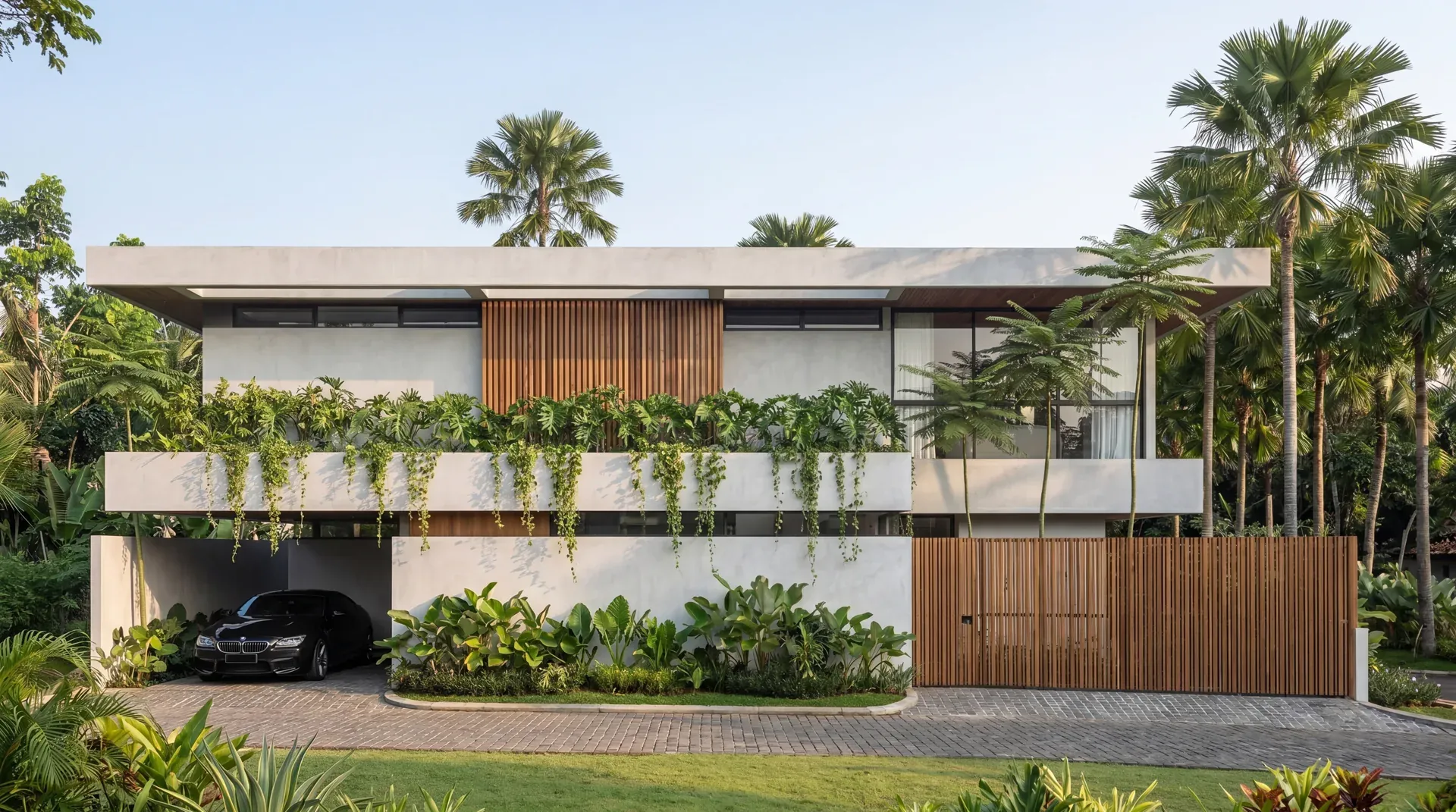
Uluwatu Temple, Pura Luhur Uluwatu, is the spiritual anchor of the whole peninsula. It stands on a sheer cliff some seventy metres above the Indian Ocean, one of Bali's most important sea temples, and the sunset Kecak fire dance performed beside it is one of the island's defining cultural experiences.
This guide covers the temple, the dance, the etiquette that lets you visit respectfully, the best timing, and the wider culture of the Bukit that sits behind the surf and the beach clubs. It is also, quietly, a guide to the thing that gives the peninsula its depth, the living tradition that a home here places you inside rather than beside.
Pura Luhur Uluwatu
Pura Luhur Uluwatu is one of the sad kahyangan, the directional temples that Balinese Hindus believe protect the island. It occupies the south-western tip of the Bukit, perched on a cliff edge where the land falls away into open ocean, and that setting is as much a part of its meaning as its architecture.
The temple is ancient and remains an active place of worship, not a museum. Its split gates, weathered stone and clifftop pavilions sit in a landscape shaped by wind and salt, and the whole site reads as a threshold between the island and the sea. For Balinese it is sacred ground; for visitors it is one of the most moving places on the peninsula.
The approach is part of the experience. A path runs along the cliff edge with the ocean on one side and the temple complex on the other, and the sound of the swell rises up the rock face as you walk. The scale is human and the drama is in the setting rather than in grand architecture, which is true of Balinese sea temples generally. They are placed to mark a boundary and to face the forces beyond it, not to overwhelm the visitor.
Its role in the island's spiritual geography gives it weight beyond its size. As one of the directional temples believed to guard Bali, Pura Luhur Uluwatu is woven into the wider network of worship that orders the island, and major ceremonies here draw worshippers from well beyond the Bukit. Standing on the cliff, it is easy to understand why this particular edge of land was chosen.
The Kecak fire dance at sunset
The experience most visitors come for is the Kecak, performed each evening in a clifftop amphitheatre beside the temple as the sun goes down. Kecak is a form of Balinese dance-drama built around a large circle of men who chant a rhythmic chak-chak-chak in interlocking layers, a human percussion that needs no instruments.
The performance tells an episode from the Ramayana, the Hindu epic, with costumed characters, firelight and, in its climax, fire itself. Staged against the ocean with the sky changing colour behind it, the combination of the chant, the drama and the setting is unlike anything else in Bali. It is theatre, ritual and landscape at once.
The power of the piece is in its restraint. There is no orchestra, no amplified sound, just the layered human voice rising and falling, and when the light drops and the fire comes up the effect is hypnotic. The chant is said to evoke a trance, and watching it against the open ocean it is easy to feel why. It is one of the few cultural performances anywhere that is genuinely enhanced by its setting rather than merely housed in it.
Because it is timed to the sunset, the Kecak is popular and the amphitheatre fills, so arriving well before the performance is wise to secure a seat with a clear view of both the stage and the horizon. The seating is tiered and open to the sky, so a position that frames the performers against the water is worth the early arrival. Many visitors pair the dance with dinner at one of the clifftop venues afterward, making an evening of it.
The Kecak needs no instruments. A circle of voices, firelight and the ocean behind it carry the whole drama.
Thinking about Uluwatu? Our team can walk you through availability, pricing and the ownership structure at Ulu Art Bay.
Contact usSign upEtiquette and the monkeys
Uluwatu Temple is an active religious site, and visiting respectfully matters. A sarong and sash are required to enter, and are provided at the gate. Dress modestly, keep to the visitor paths, and be quiet and unobtrusive around anyone at worship.
- Wear the sarong and sash provided, and dress modestly over the shoulders and knees.
- Secure your sunglasses, hats, phones and jewellery. The resident macaque monkeys are known for snatching loose items.
- Follow the marked paths along the cliff and keep back from the unfenced edges.
- Move quietly and give space to worshippers and ceremonies.
The monkeys deserve their own line. The troop that lives around the temple is clever and bold, and will take glasses, caps and phones given the chance. Keep valuables zipped away and do not try to retrieve a taken item by hand. The guides on site are used to it and can usually help recover something, so the sensible move is to avoid the problem rather than wrestle with a macaque on a clifftop.
None of this should put anyone off. The etiquette is light and mostly common sense, and observing it is simply part of being a good guest at a living religious site. Approached with a little respect, a visit to Pura Luhur is one of the most rewarding few hours on the island, and the care it asks for is part of what keeps it worth visiting.
When to go
Timing shapes the visit. Late afternoon is the natural window, arriving with enough light to walk the cliff paths and see the temple before settling in for the Kecak as the sun drops. If you prefer the site quiet, an earlier daytime visit gives you the architecture and the views without the sunset crowd, though you miss the dance.
The dry season, roughly April to October, offers the clearest skies for sunset, but the temple rewards a visit year round. A weekday is generally calmer than a weekend. However you time it, leave margin, the drive and the walk in both take longer than the map suggests once the evening crowd arrives.
One advantage of living on the Bukit rather than visiting it is that you can choose your moment. A resident can slip up to the temple on a quiet weekday morning, or return for the Kecak on an evening when the sky is right, instead of taking the one slot a short trip allows. The site changes with the light and the season, and knowing it across the year is a different kind of acquaintance from seeing it once.
The wider culture of the Bukit
The temple is the summit of a culture that runs through daily life on the Bukit. Away from the clifftop, the peninsula is dotted with village temples and family compound shrines, and the Balinese calendar of ceremonies shapes the rhythm of the area far more than the tourist season does.
Visitors quickly notice the canang sari, the small daily offerings of woven palm, flowers and incense placed on thresholds, shrines and street corners each morning. These are not decoration. They are a living devotional practice, and they are one of the first things that tells you Bali's culture is intact beneath the surf-and-sunset layer that sits on top of it.
Processions, temple anniversaries and the great island-wide observances punctuate the year, and even the busiest parts of the Bukit pause for them. For a resident, learning the rhythm of these ceremonies is part of belonging here rather than simply staying here.
Nyepi, the day of silence that marks the Balinese new year, is the clearest example. For a full day the island stops, no traffic, no outdoor activity, lights kept low, and the quiet is total even in the busiest areas. It is a striking thing to experience and a reminder that the culture here is not a backdrop staged for visitors but the actual framework of life on the island, strong enough to still everything for a day.
The gamelan drifting from a village temple, the sound of a ceremony down a lane, the roadside shrine dressed for a celebration, these are the ordinary textures of the Bukit that a short visit rarely registers. They are also what gives the place its depth and its sense of continuity, and they are a large part of why the peninsula feels grounded rather than invented despite how fast it has grown.
Culture as part of the Uluwatu appeal
It is easy to sell Uluwatu on waves and beach clubs alone, but the culture is a large part of what gives the place its depth. The sea temples, the ceremonies and the everyday devotion are the reason the Bukit feels rooted rather than built up, and that rootedness is a genuine part of its long-term appeal.
It is also part of the design conversation. A villa that sits lightly in this landscape, that respects the scale and the setting rather than overwhelming it, fits the Bukit in a way a generic build does not. That sensibility runs through the way Ulu Art Bay approaches its architecture and its place on the cliffs.
The culture and the sunset are also, practically, the two things visitors to the peninsula most want to experience, and they sit close together at the western tip near Pecatu. An evening that begins with the Kecak and runs into dinner and a clifftop view is one of the defining nights out on the Bukit, and it is the kind of experience a well-placed villa puts within easy reach. We cover the viewpoints that pair with it in our guide to the best sunset spots in Uluwatu.
Living with the culture, not just visiting it
For a visitor, Uluwatu Temple and the Kecak are an evening. For a resident, the culture becomes part of daily life, the offerings on the path, the ceremonies that reorder the week, the sense of living somewhere with its own deep calendar. That is a quieter reason people choose to put down roots on the Bukit rather than treat it as a holiday.
A home here places you inside that rhythm rather than passing through it. The ceremonies stop being an itinerary item and become part of the texture of the year, and the temple stops being a one-time visit and becomes a place you return to as the light and the seasons change. That shift, from spectator to resident, is a large part of what people are really buying when they choose the Bukit. An estate minutes from Bingin and a short drive from the temple at Pecatu sits at the meeting point of the Bukit's surf, its wellness and its culture. We set out the full case in why Ulu Art Bay stands apart, and you can pair the temple evening with the peninsula's finest viewpoints in our guide to the best sunset spots in Uluwatu.
The practical geography helps. The temple sits at Pecatu on the western tip, a short drive from the Bingin side of the Bukit, so a home minutes from the surf is also within easy reach of the peninsula's cultural heart. You are never far from either, which is a large part of what makes a day here feel complete, a morning in the water and an evening at the cliff.
To talk through a villa that puts you inside this landscape, contact our team, or sign up to follow the next release.
Frequently asked questions
What is Uluwatu Temple?
Pura Luhur Uluwatu is one of Bali's important directional sea temples, set on a cliff some seventy metres above the Indian Ocean at the south-western tip of the Bukit. It is an ancient and still-active place of Balinese Hindu worship.
What is the Kecak fire dance?
The Kecak is a Balinese dance-drama performed each evening beside the temple at sunset. A large circle of men chant a rhythmic chak-chak-chak as human percussion while costumed performers tell an episode from the Ramayana, ending with fire.
What should you wear to Uluwatu Temple?
A sarong and sash are required and are provided at the gate. Dress modestly, covering shoulders and knees, keep to the visitor paths, and secure loose items because the resident monkeys are known for snatching glasses and phones.
What is the best time to visit Uluwatu Temple?
Late afternoon into sunset, so you can see the temple in daylight and stay for the Kecak as the sun drops. Arrive early to secure a seat. The dry season, roughly April to October, gives the clearest skies.